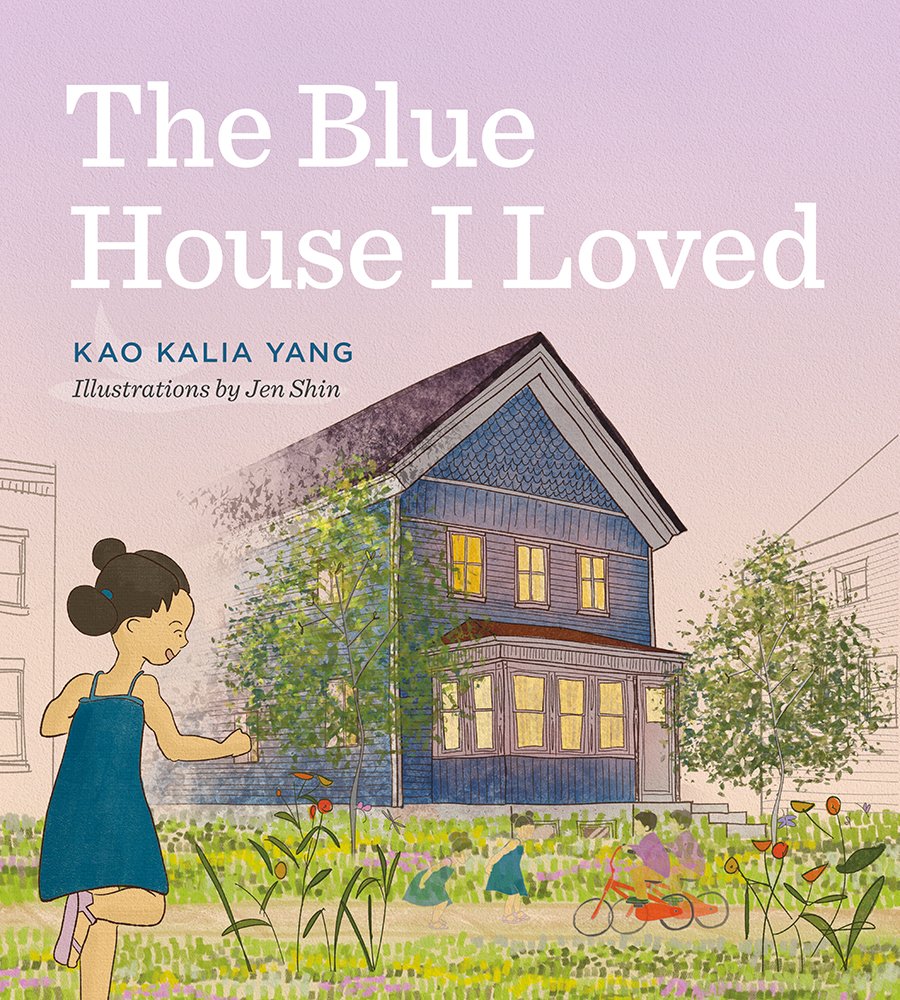




May is AAPI month, and we’ve got book recs for you to read this month and all year long. Storytelling is our favorite way to spark identity development and build empathy. Here are five books from our Asian American Identity book set that pave the way for meaningful conversations about identity, heritage, and affirmation.
From navigating multiple identities to learning family history to building self-confidence, the books from our Asian American Identity book set are perfect for your home, classroom, or library.
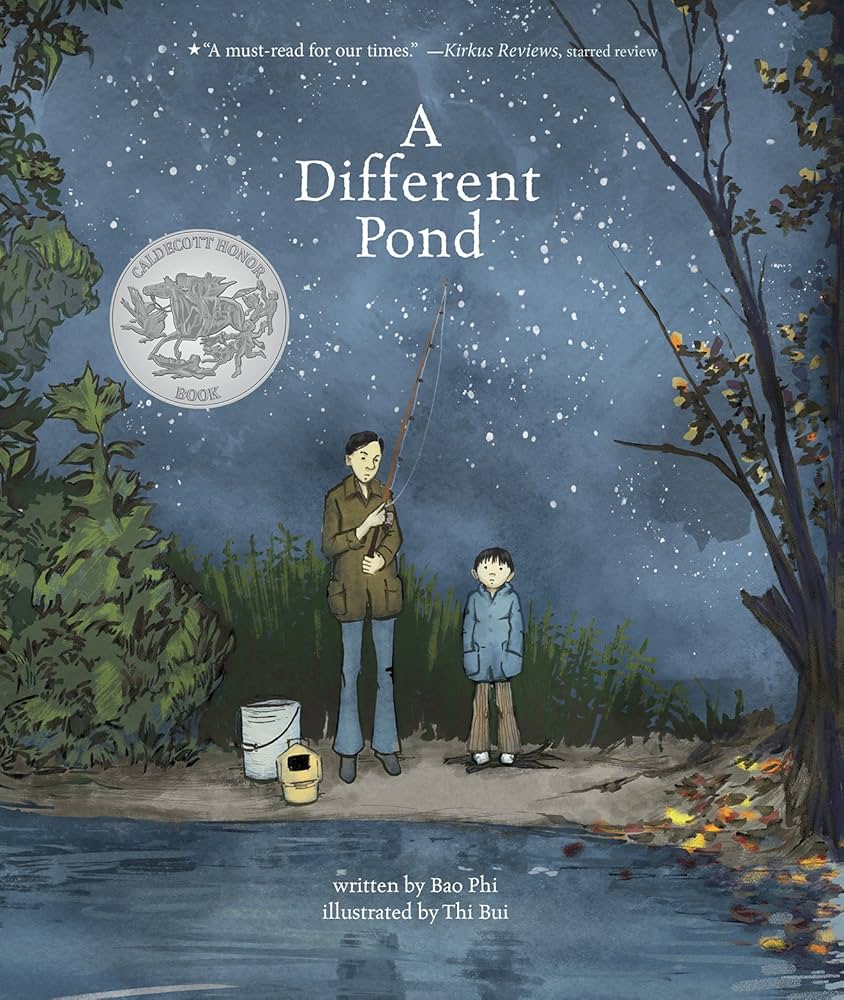
This book is about a boy and his father who go fishing together on an early Saturday morning. During this special time together, the boy learns more about his family’s Vietnamese history and struggles with making ends meet. He also finds important ways to help and contribute to his family.
While this semi-autobiographical story might seemingly be about refugee immigration, it highlights another important issue of socioeconomic class that often gets overlooked in picture books. The father in the book must work multiple jobs to make ends meet, and fishing is a necessary supplement to help feed the family.
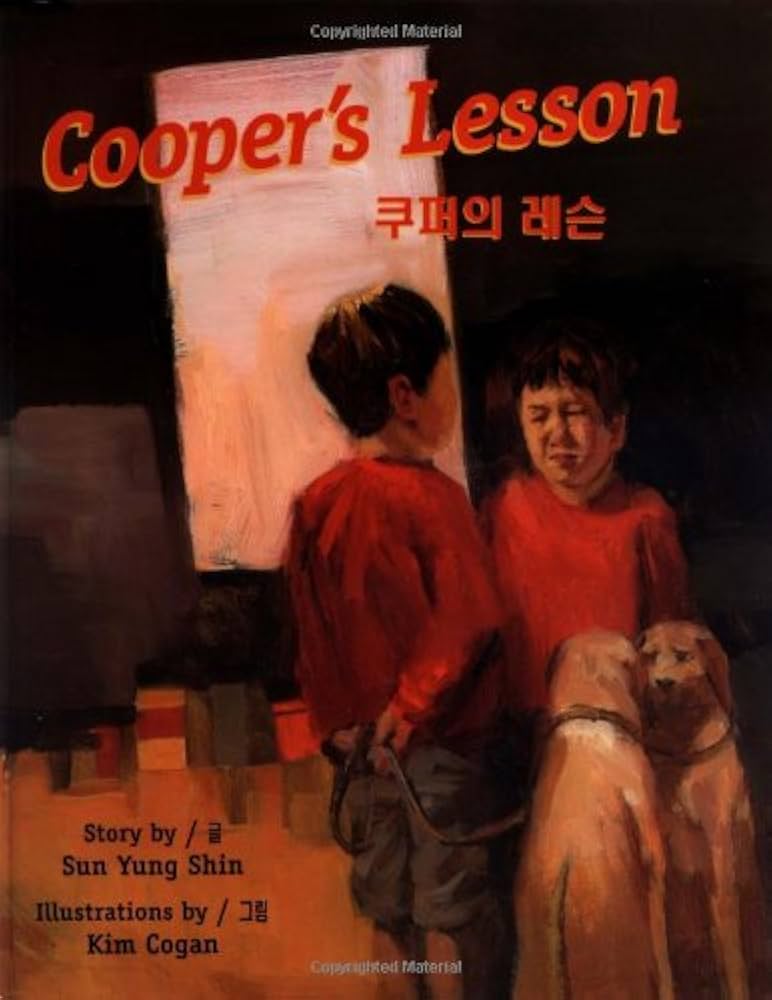
Cooper is a boy who has struggled with his biracial Korean American identity. One day, he steals a hairbrush from Mr. Lee’s Korean grocery store. After being caught, he works to make up for it. In the meantime, Cooper and Mr. Lee share how they both have felt like they don’t belong because of their identities.
Race is a social identity that is a powerful reality in each of our lives, and our racial identity is shaped externally from society. Because of this, we are also subject to the advantages and disadvantages connected to a racial identity. For some people, their sense of racial identity may not match how others perceive them. As adults, however, we can make choices about how we understand and feel about our racial group. We also have choices about how we act on our racial identity. We can choose to believe the myths of superiority and inferiority that justify racial inequities, or we can work to reject these myths and work to end systemic racism.
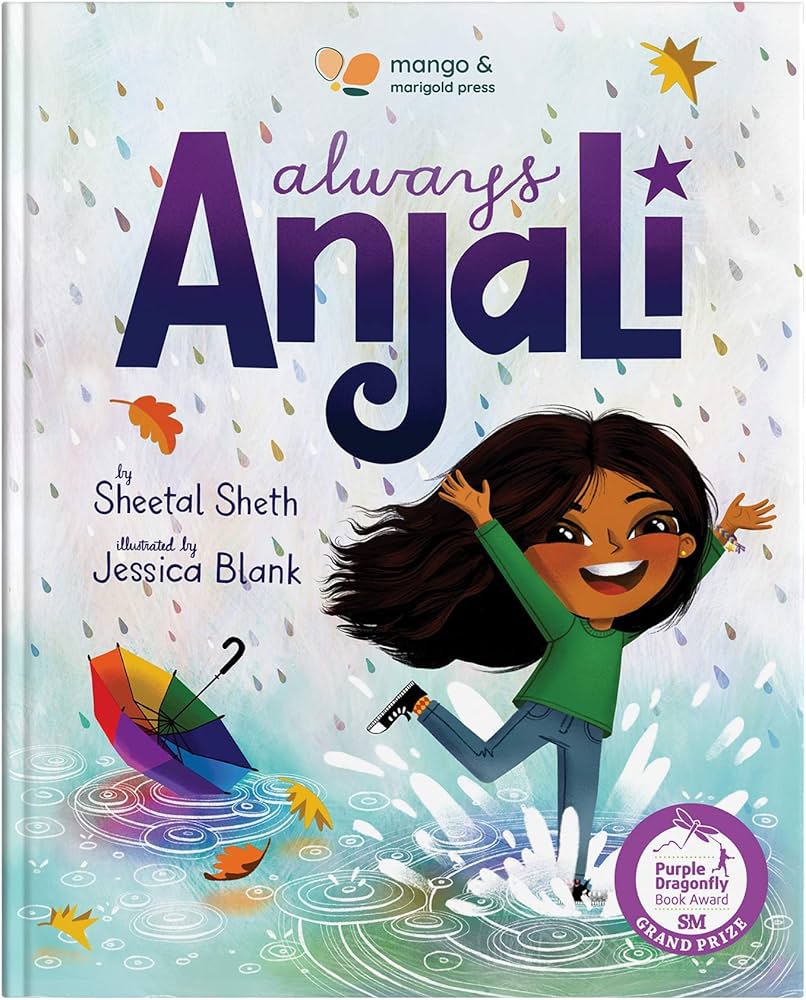
Anjali and her friends are excited to get matching personalized license plates for their bikes. When Anjali can’t find one with her name, she is discouraged and teased for her name. Anjali learns to embrace her name as she takes action and stands up for herself.
Many children are regularly subjected to having their names mispronounced or teasing regarding the pronunciation or spelling of their name. These microaggressions can have a negative effect on sense of self and result in disengagement in relationships and school.

Yuriko has always loved art, until now. Her new art teacher calls her “Eureka” by mistake and has given the class an art project that Yuriko thinks is boring. Yuriko tells her father she wants a different name and that she doesn’t like school anymore. Yuriko’s father helps her come to appreciate her name again and encourage her creativity to make her art project unique.
Children from a non-dominant culture or background can feel self-conscious in school. This story shares a girl’s journey as she struggles with changing one aspect key to her personal identity in order to “fit in.” When children feel unsafe, they often adjust or modify who they are so that they will not stand out. They appease by trying to become what they think is the norm. Feeling pride in one’s identities strengthens a child’s sense of self and well being.
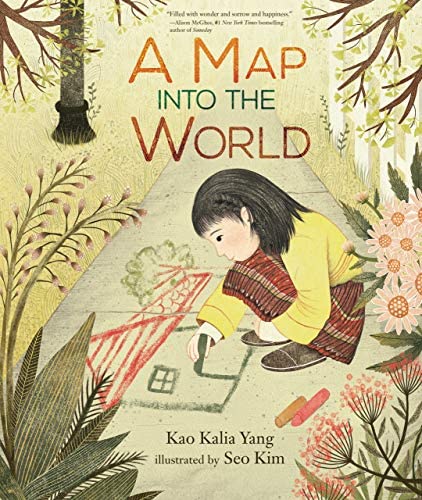
Paj Ntaub goes through a year of changes when her family moves into a new house and her twin brothers are born. Through each season, she carefully observes the world around her. Paj Ntaub uses her observations to help her neighbor find his way back into the world.
This is a beautiful story about the cycle of life, as the Hmong family in the book moves through the seasons while also experiencing the birth of children and the death of a friend. The girl in the book reaches out across differences of age, race, and culture to offer kindness and compassion to her grieving neighbor. This book helps children talk about loss, grief, and change in ways that create empathy and understanding for each other’s lived experiences.