






Mother’s Day is just around the corner! These books spark conversations about the roles that moms play in our lives, while also expanding the idea of what a family can look like.
These books are great for classrooms, libraries, and homes. For deeper conversations, make sure to check out the AmazeWorks discussion guide for reflection questions and extension activities.
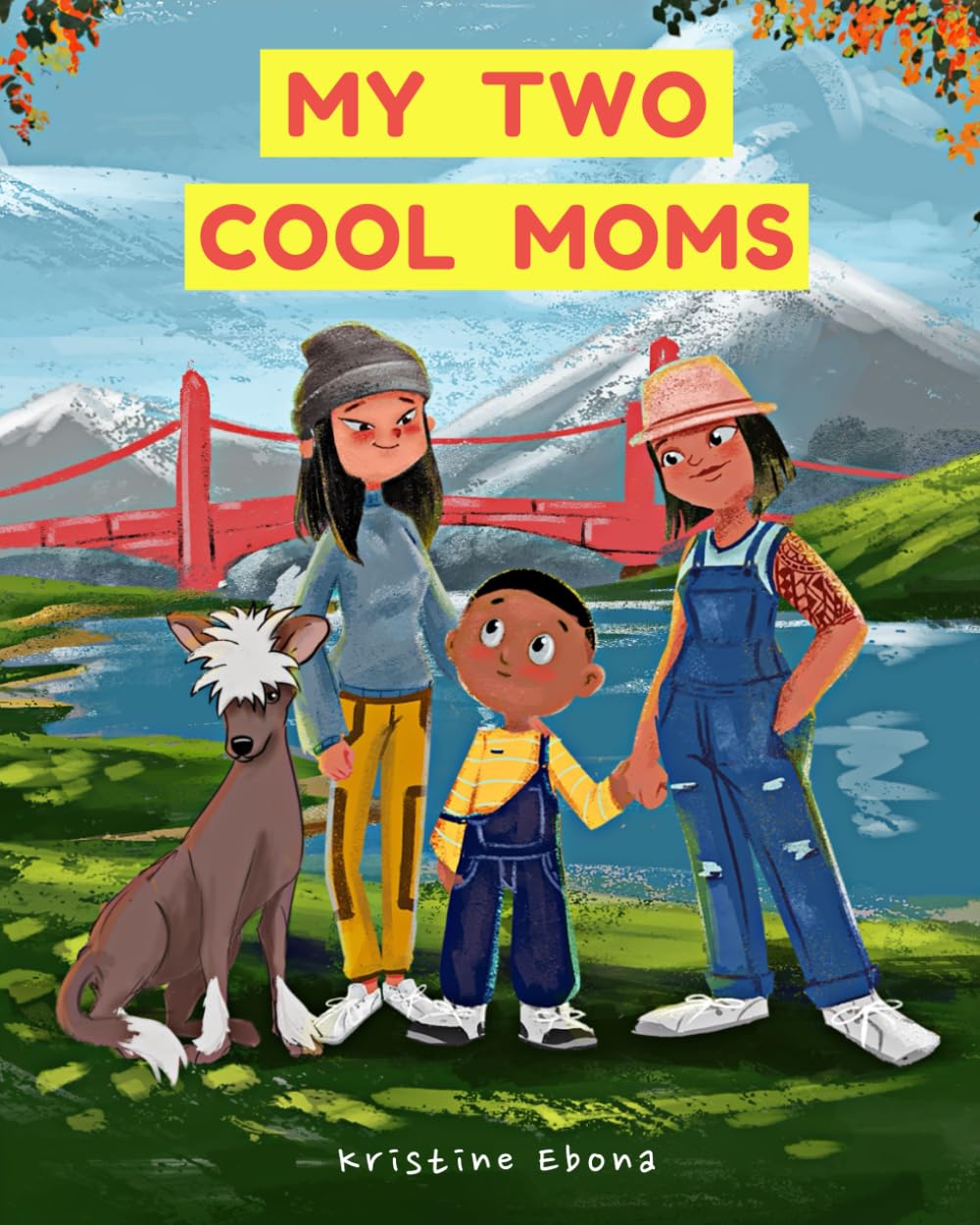
This book is about a child who has two awesome moms and all the special things they do. Each mom has her own way of showing love, and both make the child feel happy and safe.
This book provides children with the opportunity to see that all families are different, and that love is what makes a family. Sharing books and stories about a wide variety of family structures helps children feel affirmed and normalizes the many ways families are different.
This story shows that most families have more similarities than differences and have many things to celebrate. Reinforcing the thing all families have in common, especially love, can help expand a child’s understanding of the many ways families look. This positive and intentional representation helps lower bias levels and builds identity safety around diverse family structures.
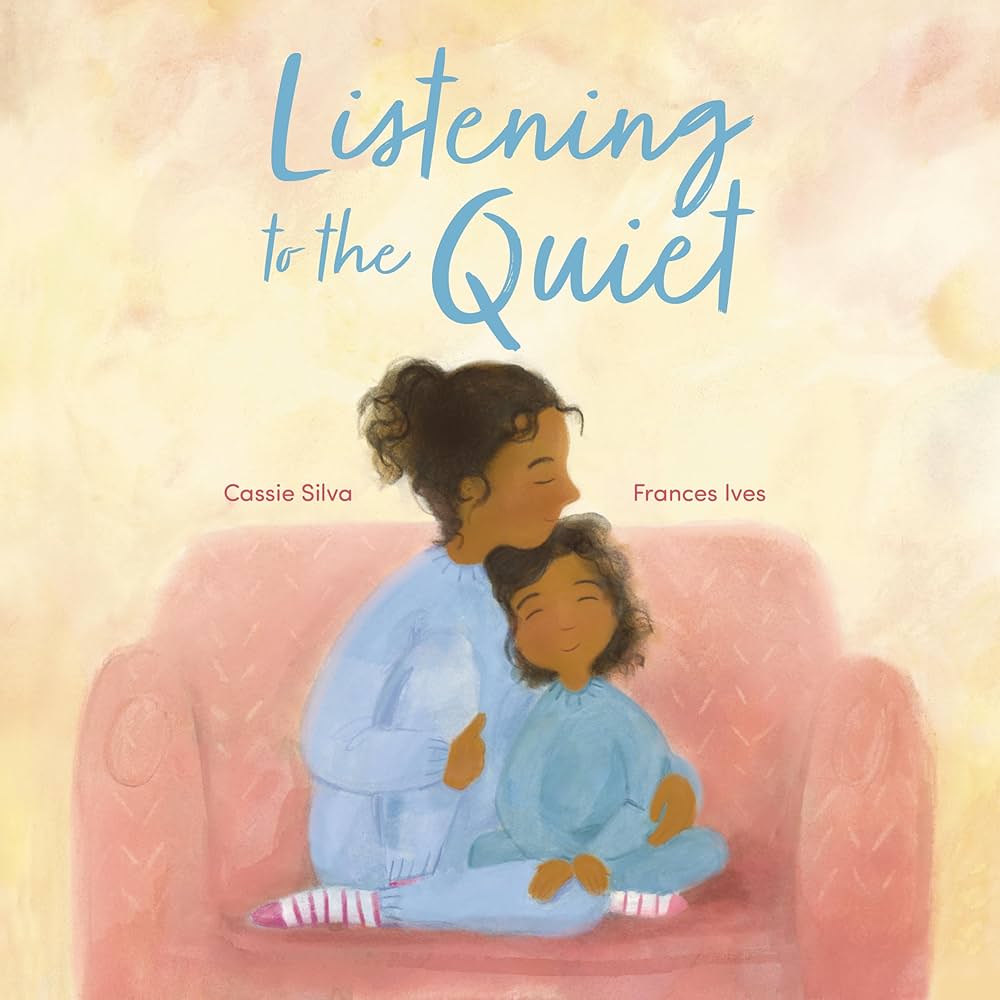
The book highlights the relationship of a mother and daughter who are navigating the new world of the mother’s hearing loss. Together, they learn sign language so they can continue to communicate and share with each other. This story provides a heartwarming example of a close and loving relationship in an uncertain time. As they explore the world together, the daughter tries hard to understand what her mom is going through. She tries to “listen to the quiet” and relate to her mother, even when her world is still full of sound.
This book offers the opportunity to see how we can still learn and grow together, even in the face of adversity. Sometimes, what we know and are familiar with can change, which can be scary and difficult. When we love and care for people, we show up for them by adapting together and supporting one another.
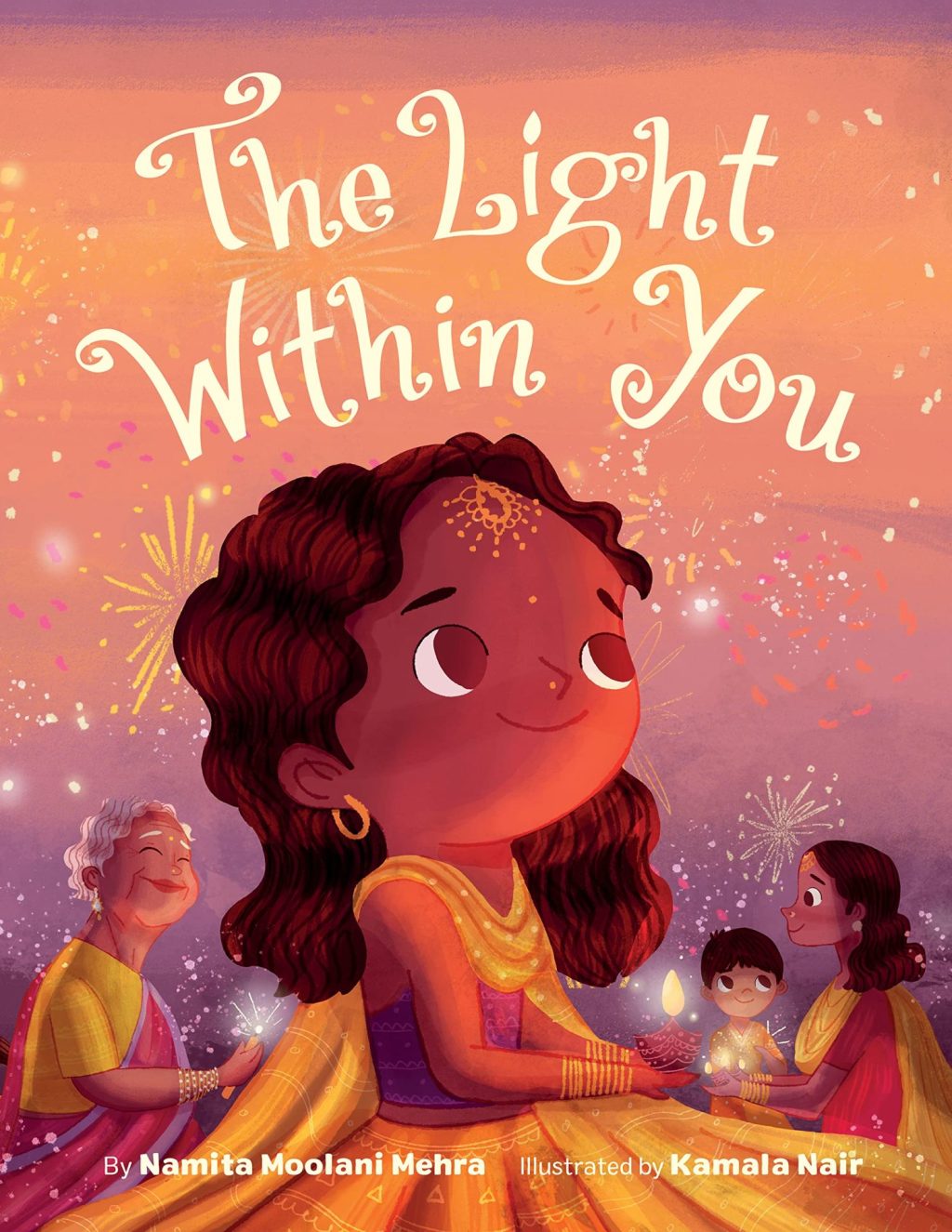
Diya grew up celebrating Diwali in her native India, with her beloved Grandmother, Nani. Diwali, known as the Festival of Lights, is a five-day-long Hindu celebration that is India’s largest and most important holiday. The overall theme of Diwali is triumphing over adversity, light prevailing over darkness. Diwali is a time to start anew, and it is celebrated by the exchanging of gifts and the worship of the gods, Ganesh and Lakshmi.
When Diya moves to the United States, her classmates don’t know what Diwali is about, and Diya feels worried about losing her connection to her culture. Learn how Diya’s Nani helps her stays connected to her Diwali traditions.
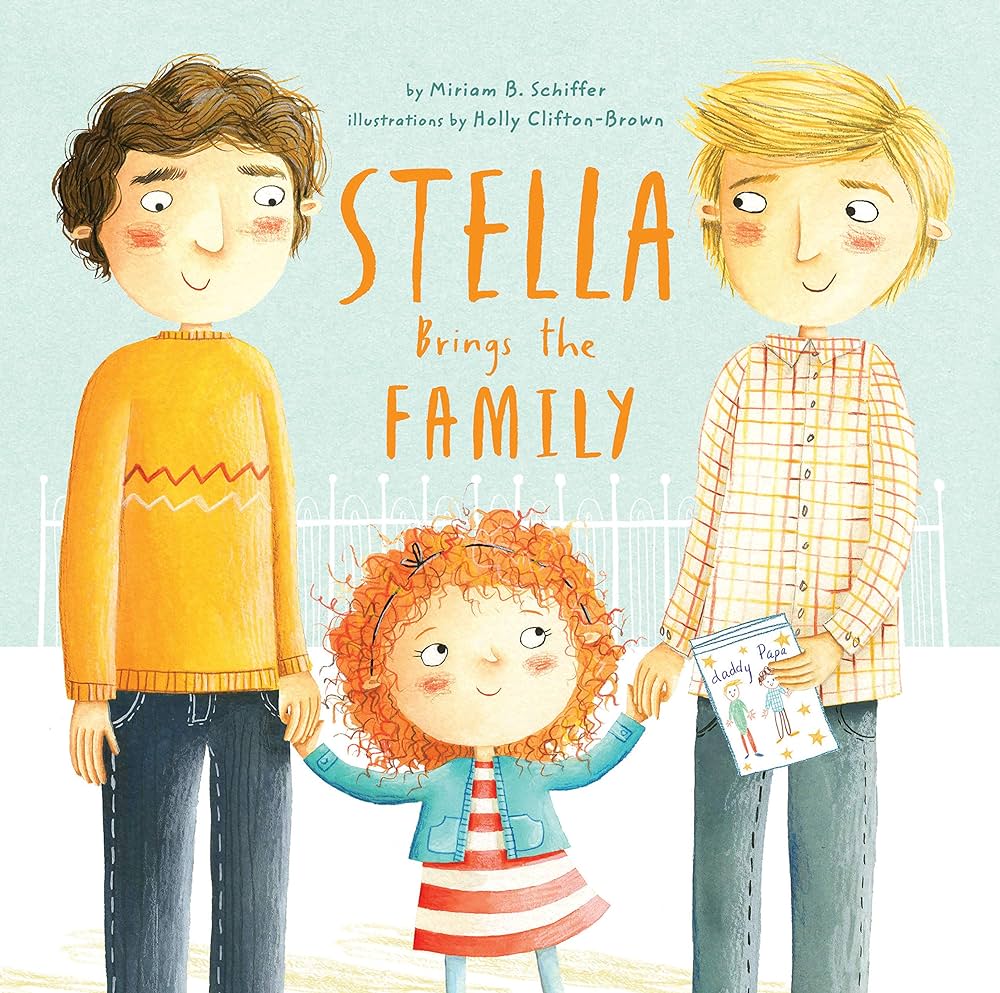
written by Miriam B. Schiffer, illustrated by Holly Clifton Brown
Stella’s class is having a Mother’s Day celebration, and she doesn’t know what to do. It’s not that she doesn’t have someone who helps her with her homework or tucks her in at night. Stella has her two Daddies who take care of her and many other people who help her to feel special and supported. She just doesn’t have a mom to invite to the party. Luckily, Stella finds a unique solution to her party problem.
Sometimes the messages we send can be unintentionally exclusive when communicating about and with families, especially when it comes to special events like Mother’s Day. Examining our language can help us be inclusive of all family structures, lived experiences, and social identities. This book gives children the opportunity for a perspective on the many different ways we can be a part of a family.
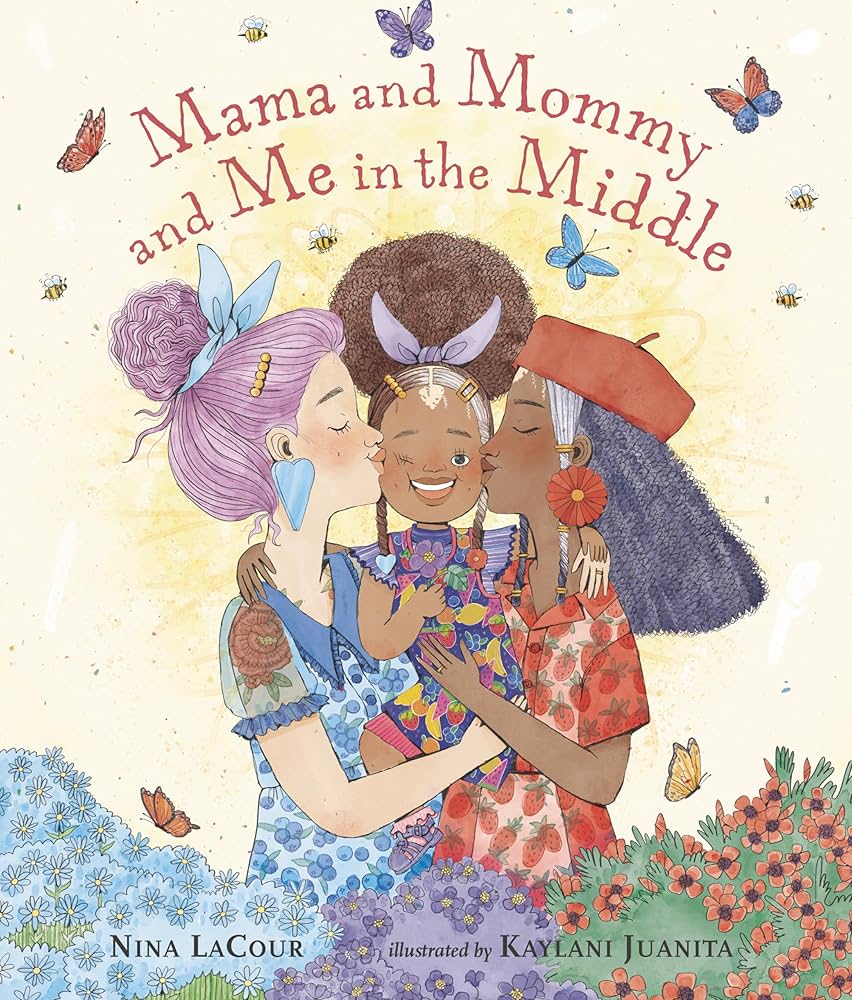
A little girl loves sitting right in the middle of her two moms—Mama on one side, Mommy on the other. But when Mommy goes on a work trip, things feel different. Where should she sit? This is a sweet story about how much we can miss someone we love—and how good it feels when they come back.
This book is a great example of a healthy, loving family that happens to have two mothers, but it is not about the challenges of having a family headed by a lesbian couple. Not every story depicting an LGBTQ+ family needs to be about the challenges or biases LGBTQ+ families may face. Representation as a part of healthy identity development means simply representing an identity, family structure, or lived experience as a normal, regular part of the human experience.
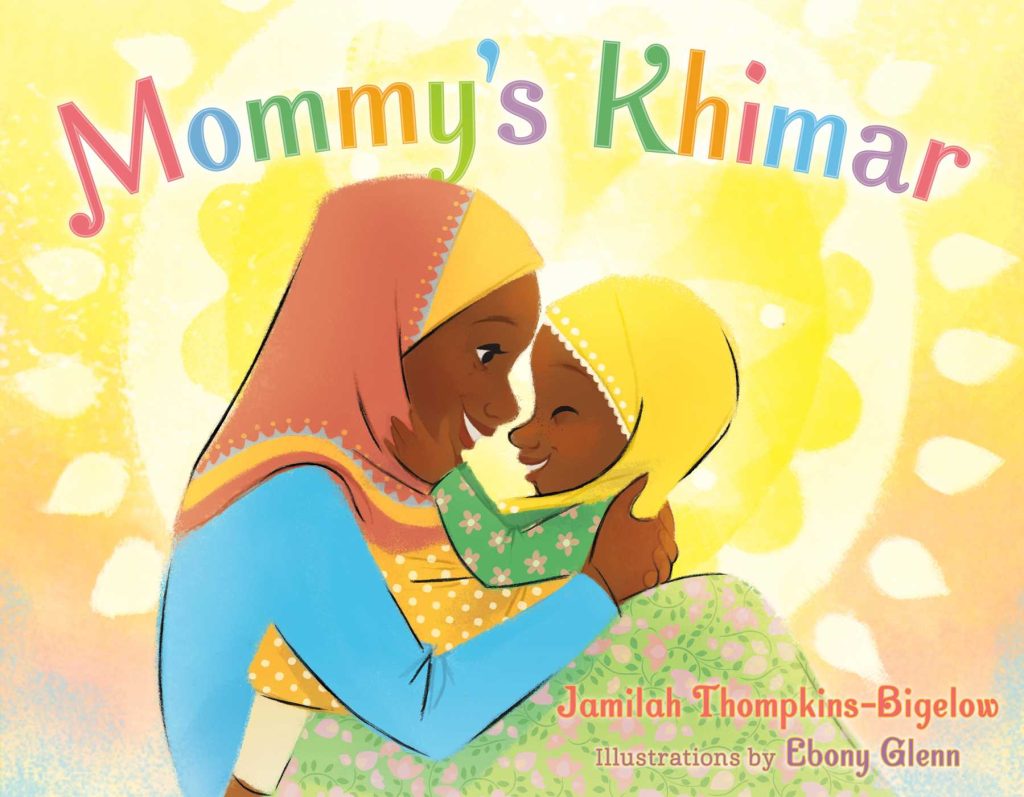
This book is about a little girl who plays dress up with her mother’s head scarves. Her mommy wears her khimar because it is part of her Muslim religion. When the little girl wears her mommy’s khimar, she feels her mommy’s love.
This book offers an opportunity for children to see a young Muslim girl without societal biases. It offers a “mirrors” opportunity for Muslim children who rarely see themselves or their families portrayed in a positive light and a “windows” opportunity for non-Muslim children to see the similarities and differences to their own lives.
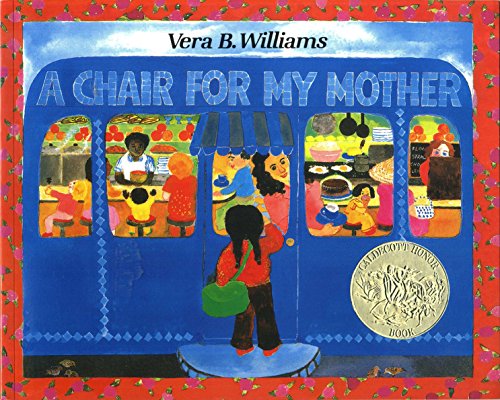
After a fire destroys their home and everything in it, Rosa, her mother, and grandmother move to an apartment furnished through the generosity of their neighbors, friends, and family. The three save and save until they can afford to buy one big, comfortable chair that all three of them can enjoy.
Not every family has the same opportunities or income. Hard work does not necessarily mean a family will have all that they need. Many families are amongst the working poor, with jobs that do not pay living wages. This book highlights the incredible generosity that is prevalent in most low income neighborhoods where people know what it is like to need. It also shows how circumstances can dramatically change in an instant and sheds light on the resiliency of a family.
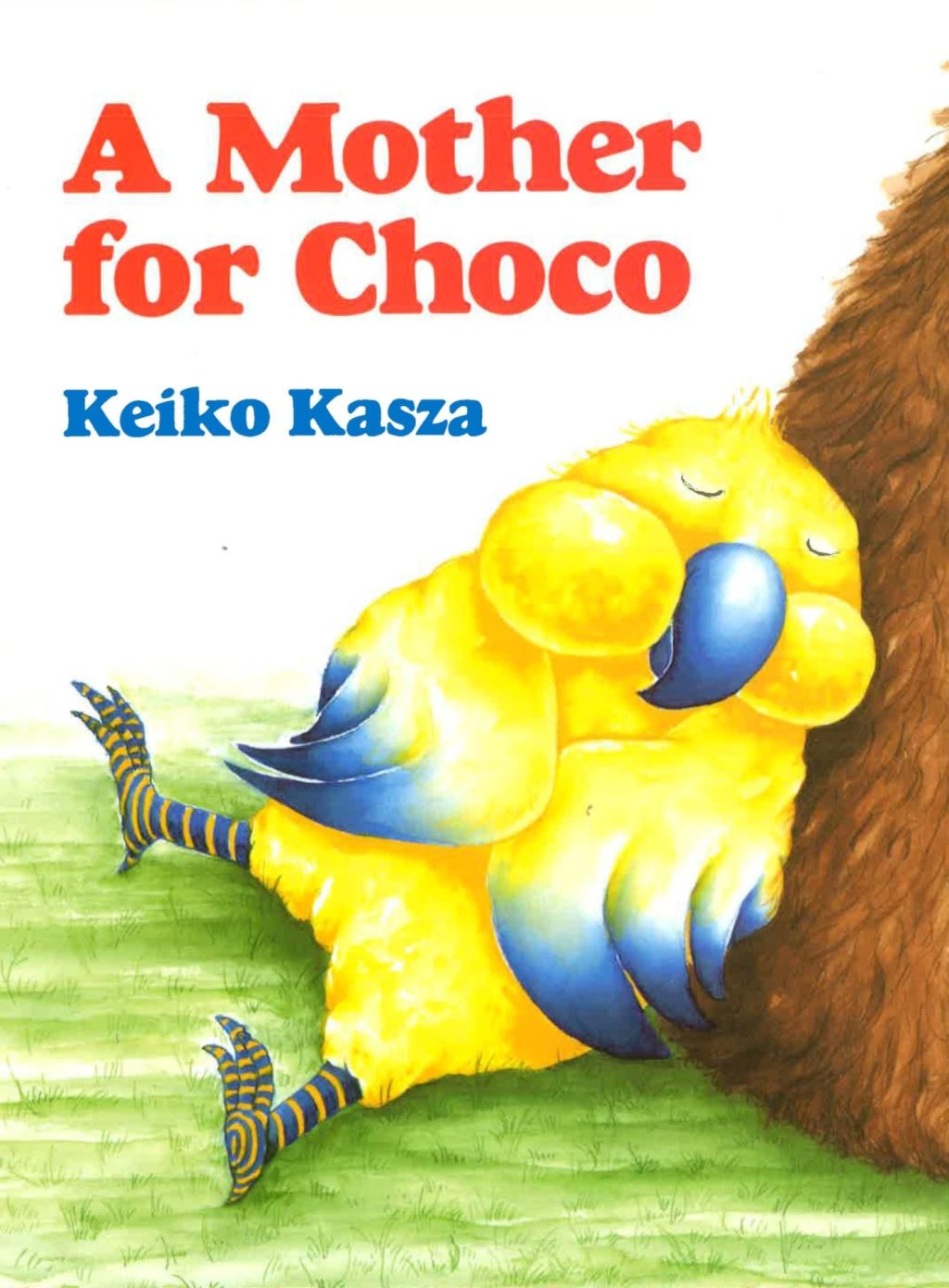
This is a story about a little bird who needs a family. At first Choco searches for a family that looks like him. Then he meets Mama Bear who loves him just the way he is, even though they don’t look like each other. To his surprise, he discovers that love, attention, laughter, and nurturing are really what he needs.
Other people’s actions affect the way we feel and may even affect the way we view ourselves. Sometimes well-meaning adults send messages that promote bias and reinforce stereotypes. In the book, Choco is rejected by other animal mothers because he does not look like them, causing him to feel bad about being a bird and hopeless to find a family where he belongs.
The positive relationship between Mrs. Bear and Choco encourages children to recognize that families can include people who are different from one another. What truly matters are the actions we take to care for one another and meet each other’s needs, which helps us discover belonging. Using a lens of compassion and curiosity allows us to ask what is needed rather than to assume we know.