


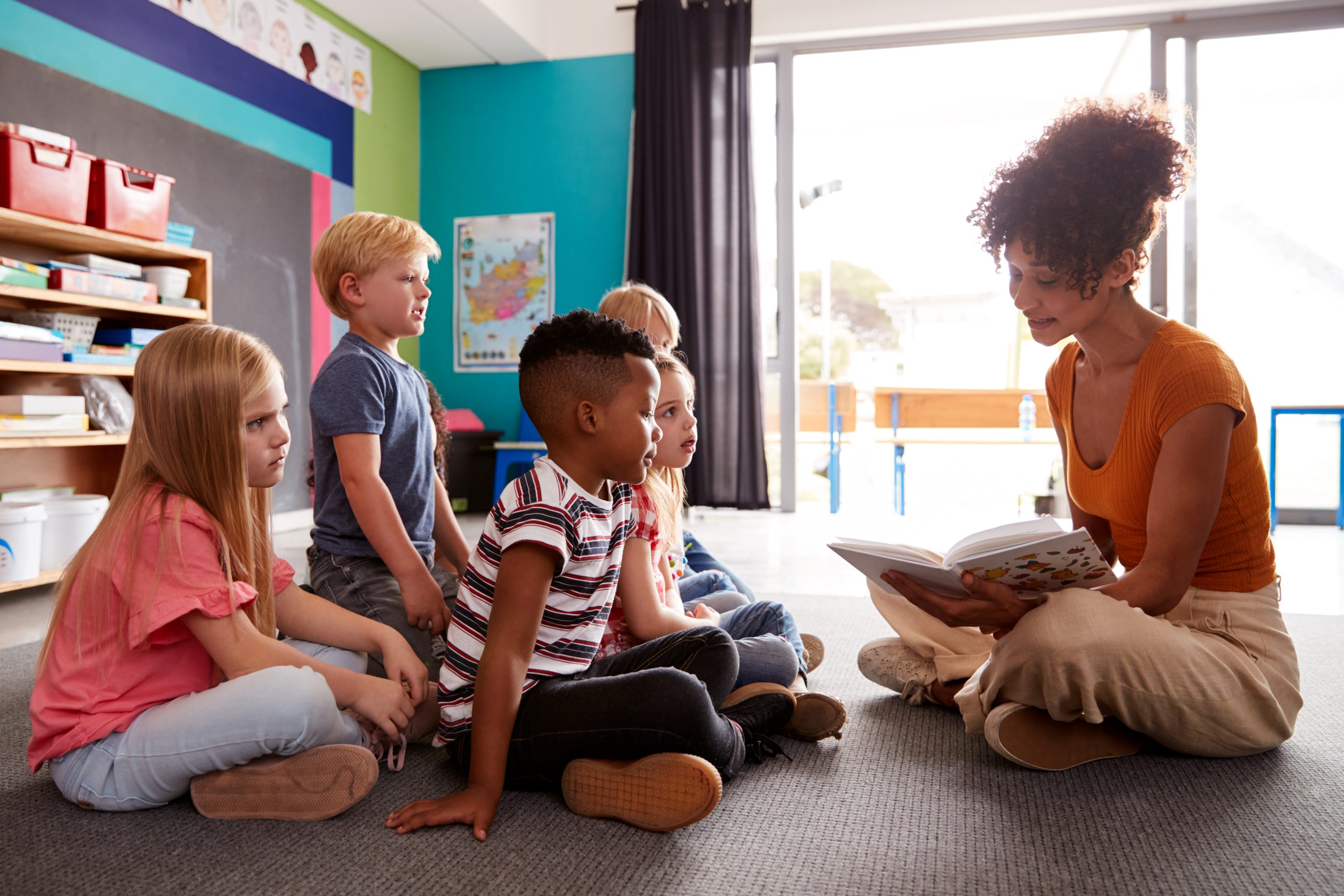
Open and honest conversations with children about current events, immigration, and ICE presence matter. Children see and hear what’s happening around them, and they can sense the stress and anxiety of adults. Picture books are valuable resources to foster reflection, understanding, and empathy.
Every child should see their families, identities, and lived experiences reflected in positive mirrors and windows into the lives of others who are different from them. The following 17 books share stories of immigrant and refugee families or instances of family separation. Each includes an accompanying lesson with reflection and discussion questions, journal prompts, extension activities, and background information. Some books have lessons in both English and Spanish.
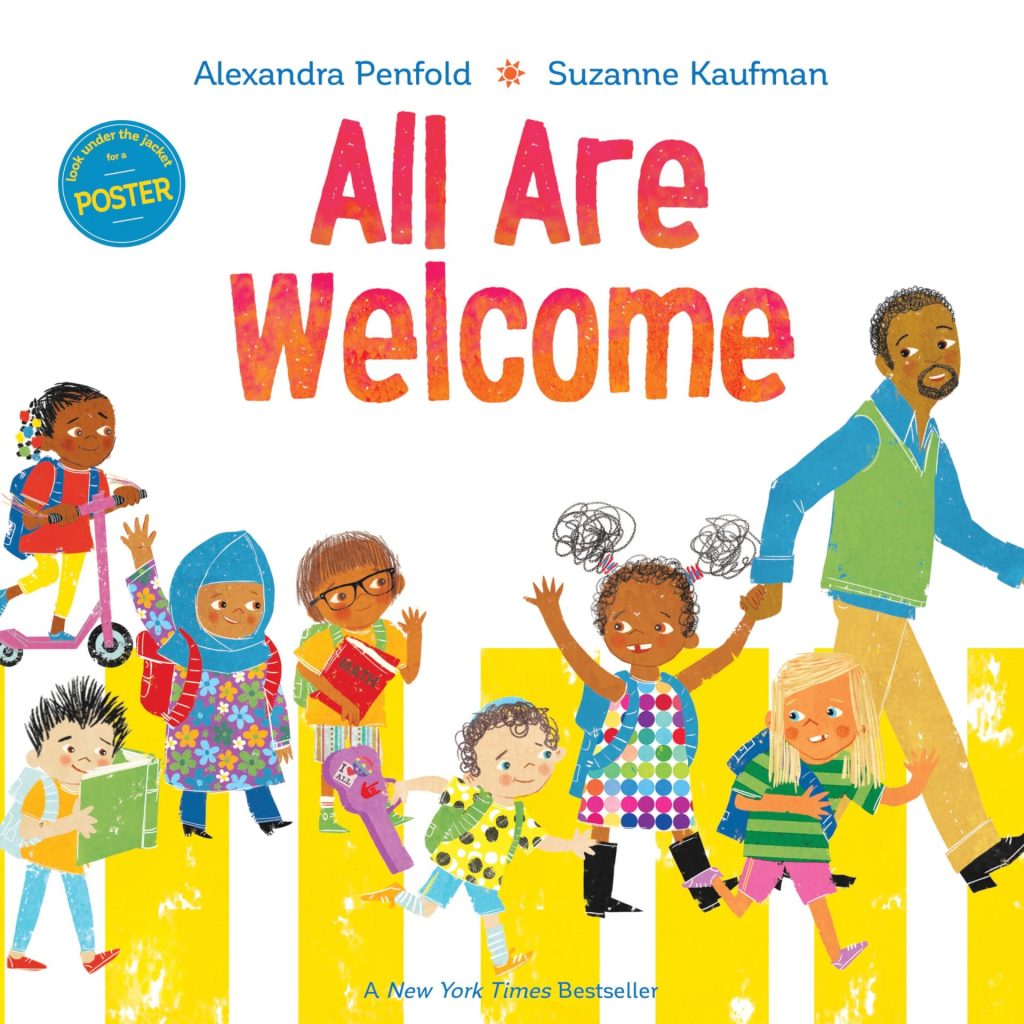
This book gives children the opportunity to see children and families who are similar to them, as well as children and families who are different. Children need to see examples of actively showing respect for differences and the different ways that people show care and concern for each other. This book also gives examples of different ways they can practice sharing and caring for each other. Through this book, children learn that each of us needs different things to feel welcome, which helps them value differences and reject messages that make differences frightening, negative, or bad.
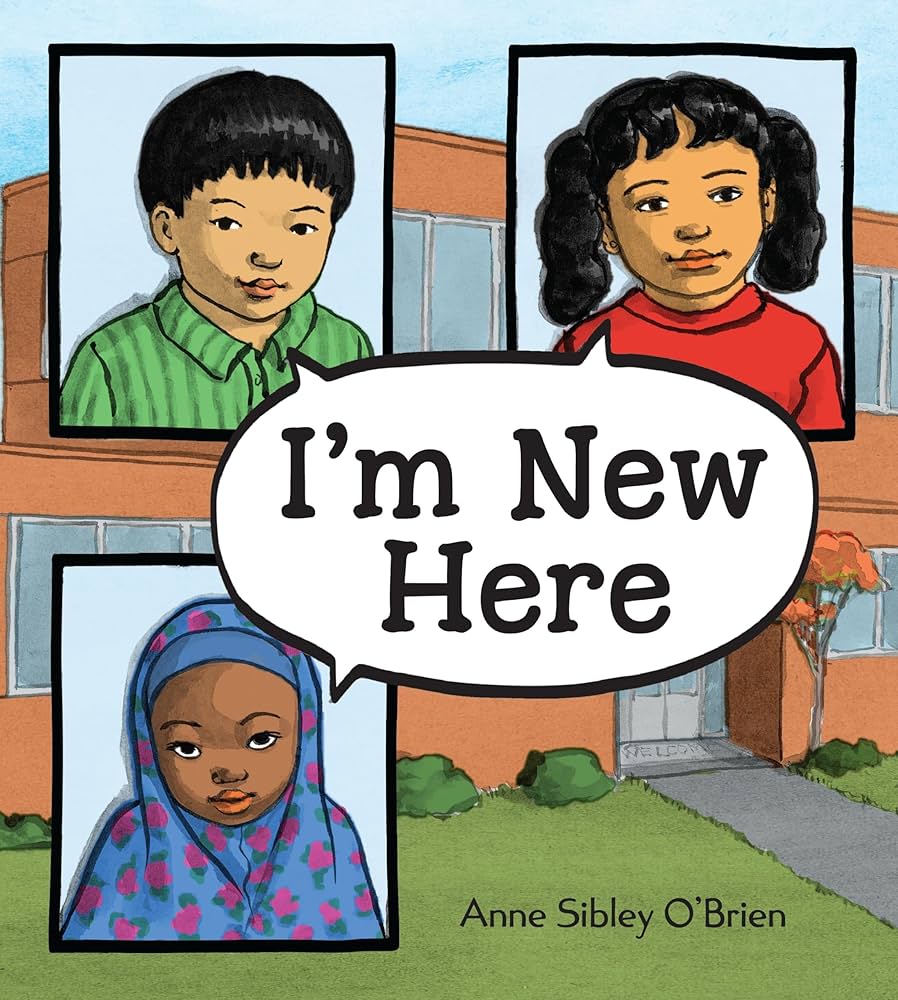
This book is about three children who moved to the United States from other countries and how each of them adjusts to their new schools. New students, especially those who are learning a new language and adjusting to a new culture, can feel isolated. Classrooms focused on empathy and belonging helps students find ways to build friendships across differences. By sharing the challenges faced by the students in this book, children can discuss ways to make everyone feel welcome, and new students can feel supported and share their experiences.
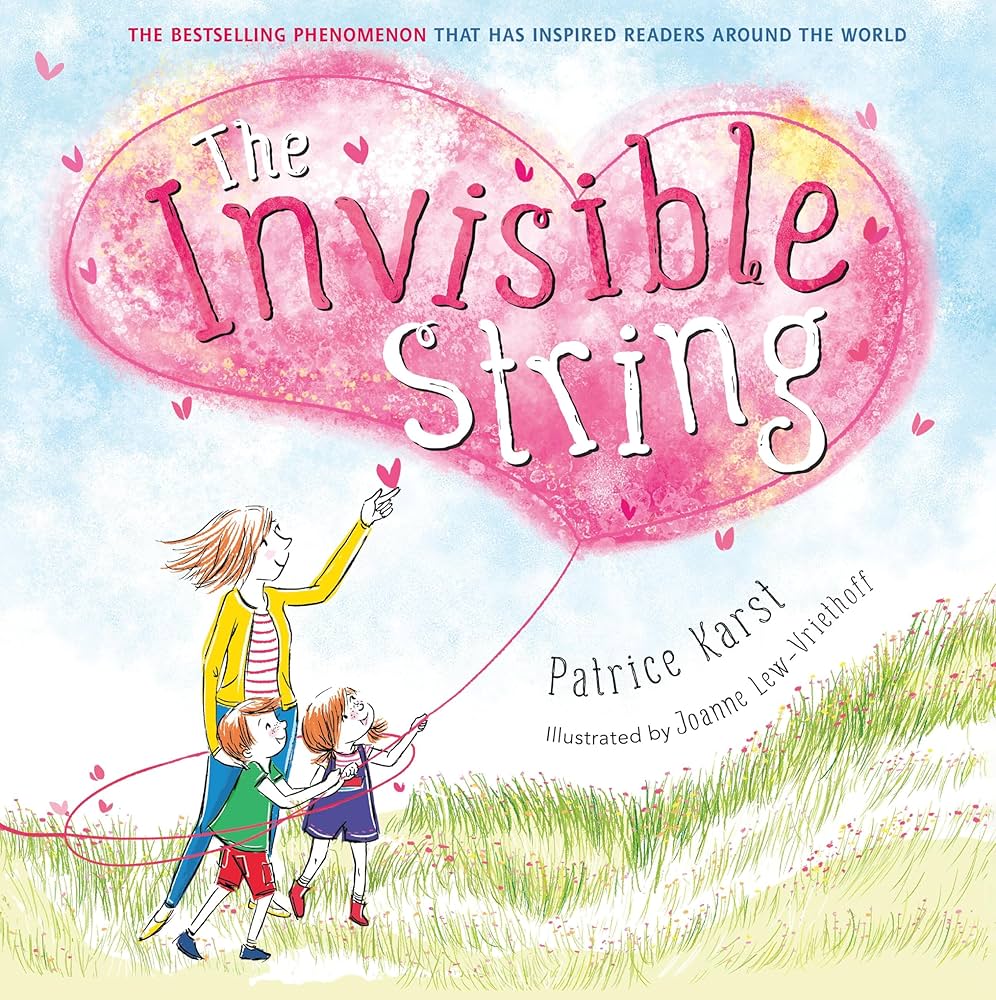
This story helps children identify who they are connected to and the strength of those connections. Readers can also think about how our loved ones help us deal with strong emotions such as fear, anger, and sadness, even when physically apart. Many families are experiencing separation from loved ones or loss. Often, adults struggle with how to talk about these things with children. This book can be a tool for educators to help children talk about connection, belonging, and comfort during times of separation, grief, or transition.

This is a book about a child who misses their father after he had to leave the country because he wasn’t born here. A growing number of children like the one in the story are living apart from their parents, as more and more undocumented immigrants are being detained and deported. I Wish You Knew invites children to communicate their feelings and needs, and normalizes difficult feelings. Additionally, the book shows the complexity of how, even while experiencing hard things, there can be joy and beauty to remind us of the things and people we love
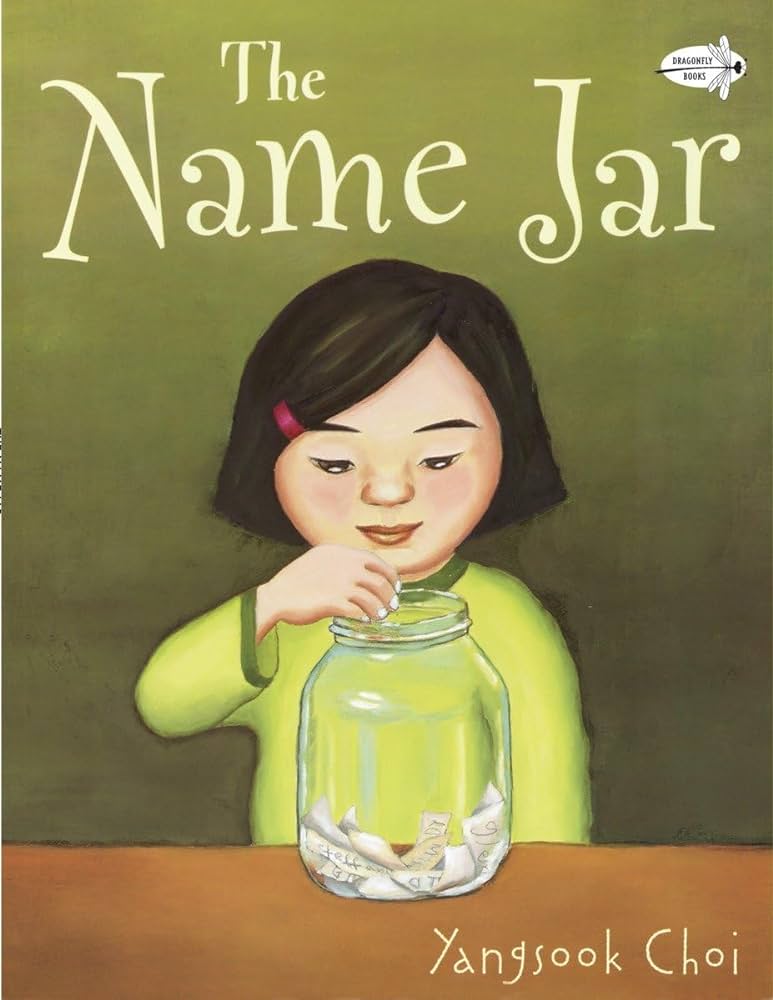
Unhei (Oon-Hay) has just moved to the United States from Korea and is nervous about being the new kid in school, especially since she fears her peers won’t be able to pronounce her name. She chooses a new name instead of telling her classmates her real name, but when her new friend discovers the special meaning behind Unhei, he encourages her to stay true to herself. When children feel unsafe, they often adjust or modify who they are so that they will not stand out. Feeling pride in one’s identity strengthens a child’s sense of self and well-being.
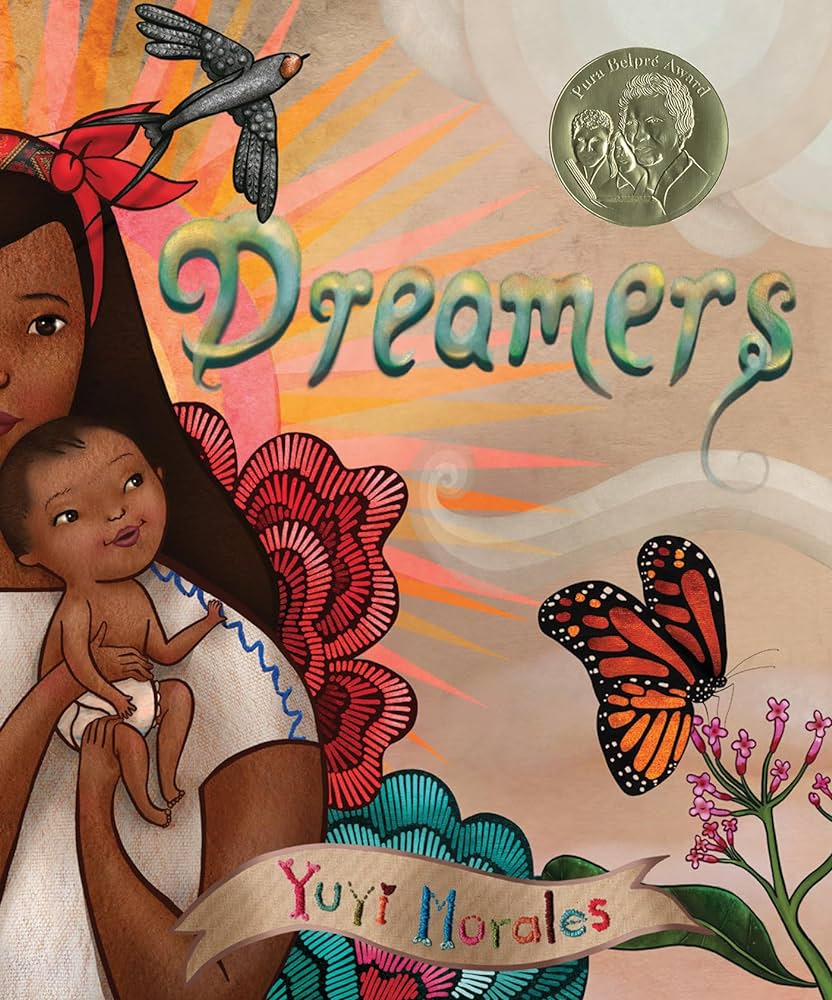
In this book, a woman and her baby come to the U.S. from Mexico. Feeling alone and unable to speak English, yet hopeful and filled with dreams, they find comfort and belonging through books at the library. It is important to understand and acknowledge the stress and challenges some immigrant families face. It is also important to show the hopes, dreams, and resiliency that immigrants bring with them to make a new place their home.
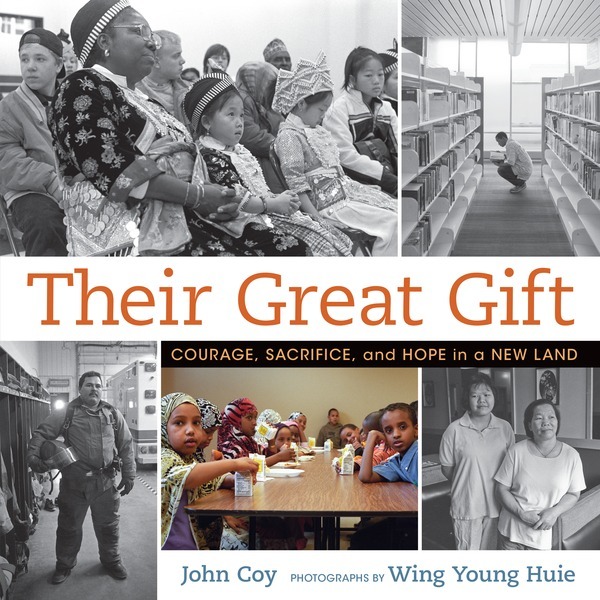
This book showcases the challenges, hopes and dreams, sacrifices, and triumphs of immigrants. Using photographs as well as words, this book helps children build social awareness of different cultural ways of being and traditions, which creates empathy through a broader understanding of and appreciation for differences. It also affirms children who may share identities or lived experiences with the people featured in the book’s photographs.
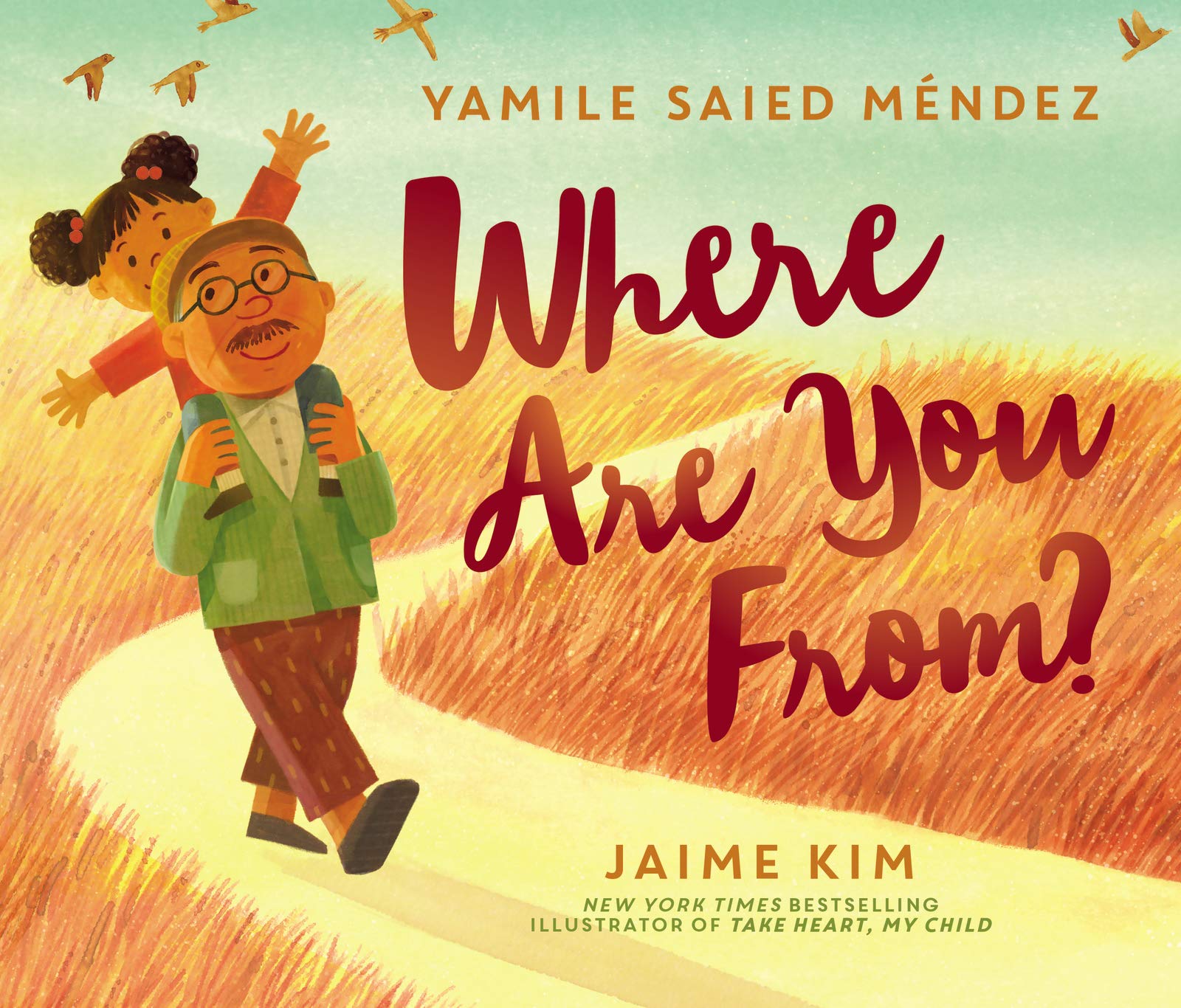
Although born in the United States, a young girl is asked where she is from – where she’s really from. These questions make her unsure of her identity (who she is and where she came from). She goes to her abuelo (grandfather) for advice and answers about where she’s from. His responses are different from the answers she expected, and he helps her realize that where we are from is so much more than a physical place. Being bi/multiracial and bi/multicultural can cause children to feel uncomfortable with their complex identities. It is important to recognize and support children in all of who they are.
written by Karen Lynn Williams and Khadra Mohammed, illustrated by Catherine Stock
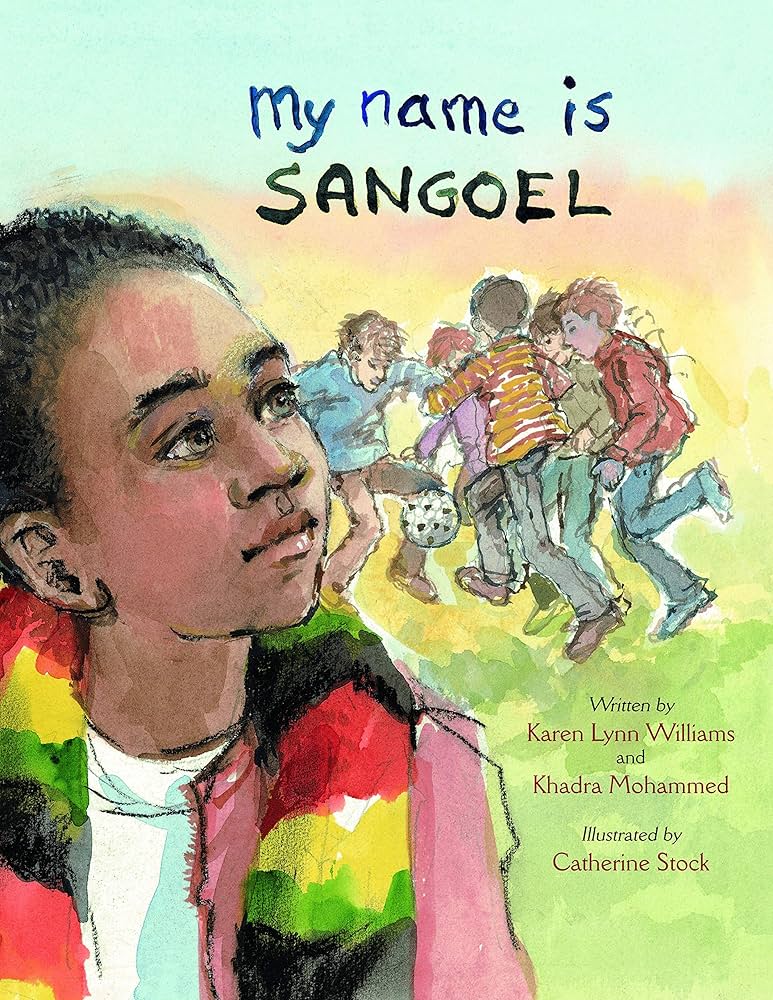
Sangoel is a refugee whose family had to leave their homeland of Sudan because war had made it unsafe for them. Sangoel is lonely, and he misses his home. Sangoel is proud of his name, a name handed down by his father who was killed in the war, but no one at his new school knows how to pronounce it correctly. He comes up with a creative way to help everyone at school pronounce his name and finally starts to feel like he belongs. Learning to pronounce names from another culture is a form of respect and can teach children to honor the languages and cultures of those who are different from them.
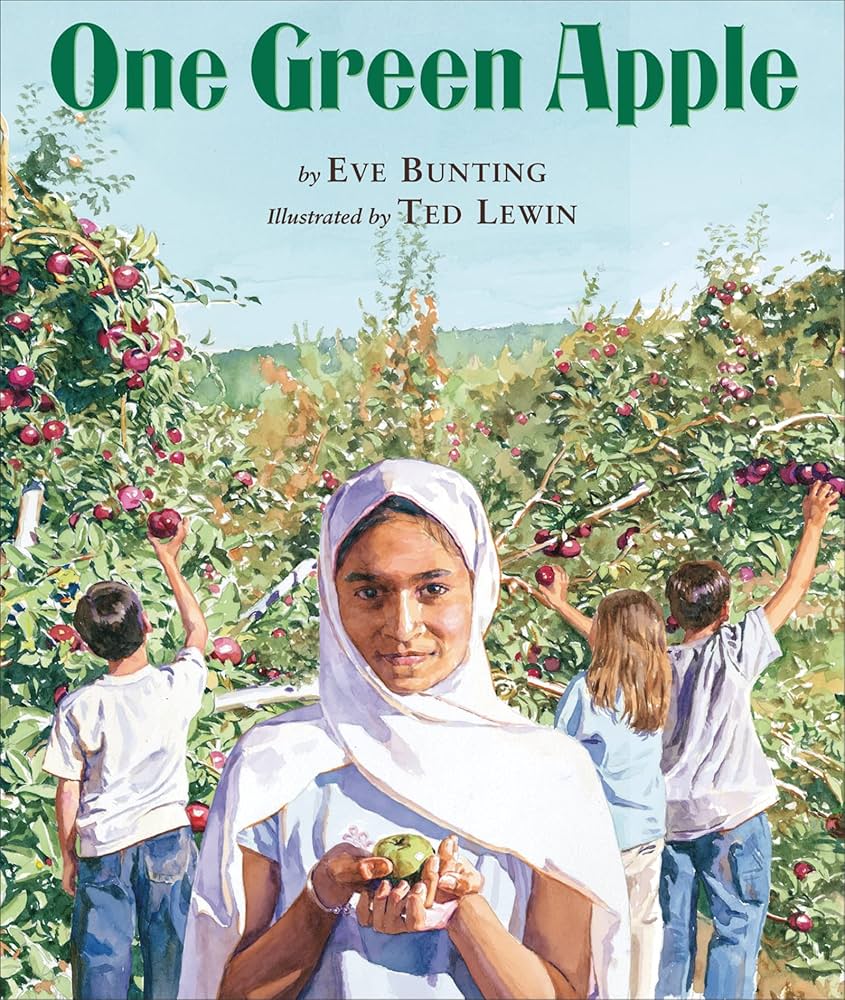
Farah, a recent immigrant who is Muslim, is on a field trip to an apple orchard with her new school. At first, she feels isolated and different, but the day also brings the promise of connection and new friendships. Being a new student can be daunting for any child, even more so for students whose appearance, language, religion, or culture are not shared with any of their classmates. This book gives readers a glimpse into how isolated and different a student can feel by the actions of others. Gaining insights into the perspective of someone who seems different helps to develop understanding that leads to acceptance and inclusion.
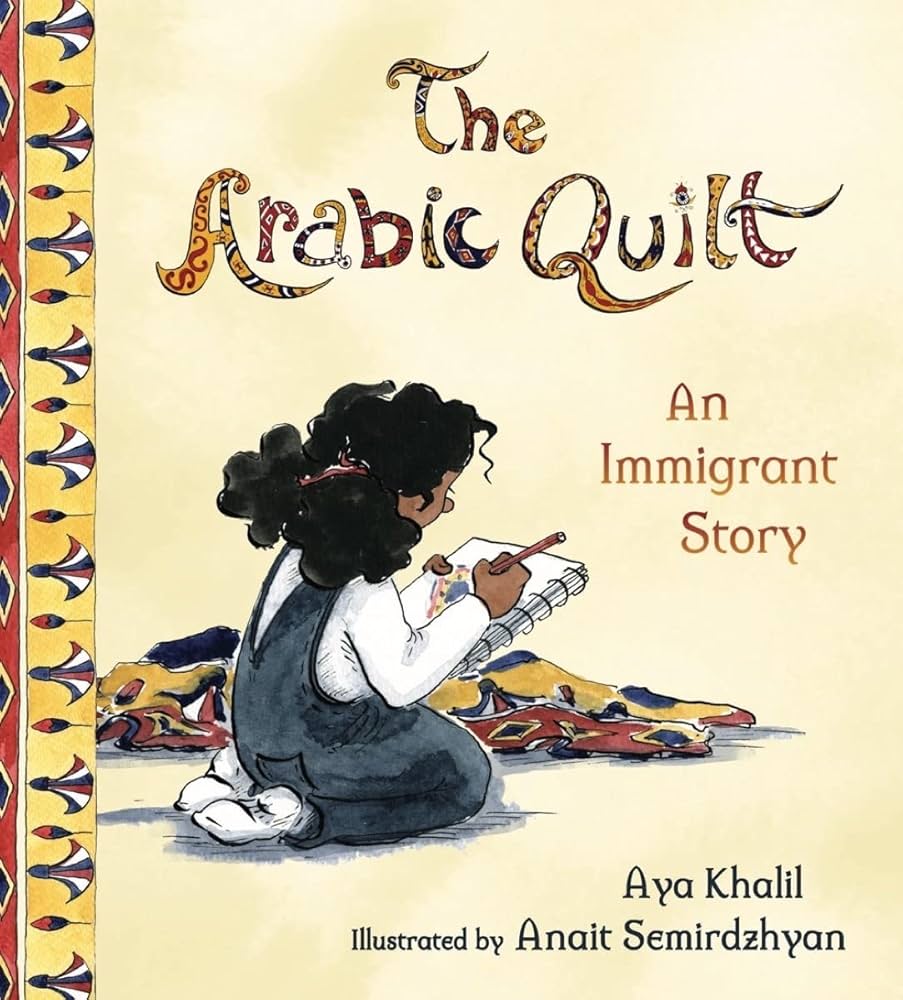
It’s the first day of a new American school for Kanzi, who recently moved from Egypt. Forgetting her lunch at home, Kanzi’s mom brings her a traditional Egyptian sandwich and speaks to her in Arabic, which embarrasses Kanzi and draws snickers from her classmates. Kanzi takes comfort in the beautiful Egyptian quilt that her grandmother gave her, and the quilt becomes something that brings the class together by honoring each student’s differences. The book provides a positive example of how to show respect for and support children’s home cultures and languages and dispel harmful biases and stereotypes.
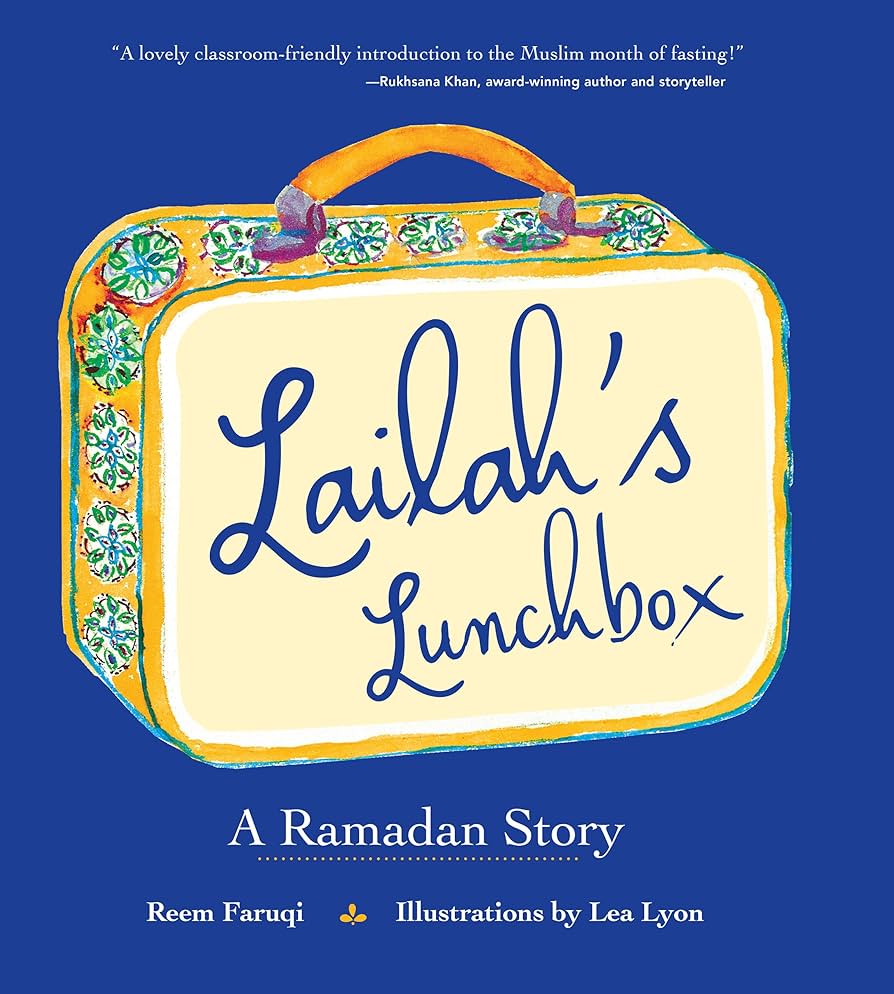
It’s the first day of a new American school for Kanzi, who recently moved from Egypt. Forgetting her lunch at home, Kanzi’s mom brings her a traditional Egyptian sandwich and speaks to her in Arabic, which embarrasses Kanzi and draws snickers from her classmates. Kanzi takes comfort in the beautiful Egyptian quilt that her grandmother gave her, and the quilt becomes something that brings the class together by honoring each student’s differences. The book provides a positive example of how to show respect for and support children’s home cultures and languages and dispel harmful biases and stereotypes.
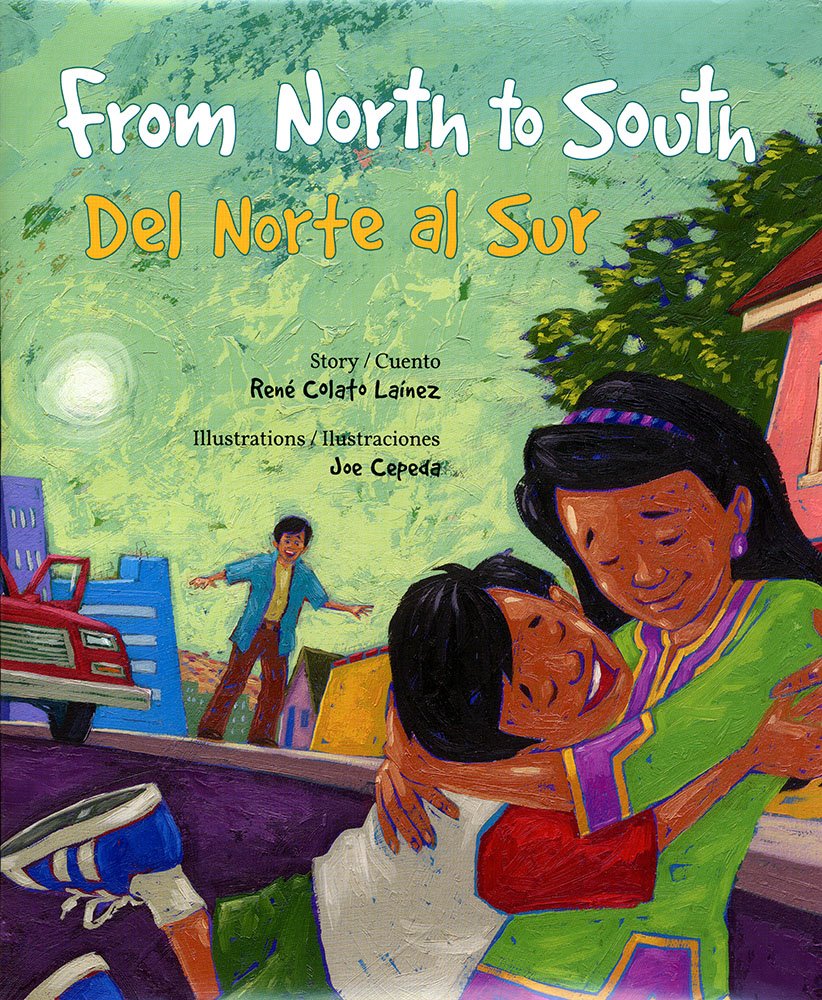
José and Papá make a trip from their home in San Diego to Tijuana, Mexico to visit Mamá, who has been deported for not having the correct citizenship papers. José and Mamá spend the day together, and they both hope to have Mamá home soon. This book deals with the delicate topic of family separation and deportation by focusing on the love and hope the family shares when they are briefly reunited.
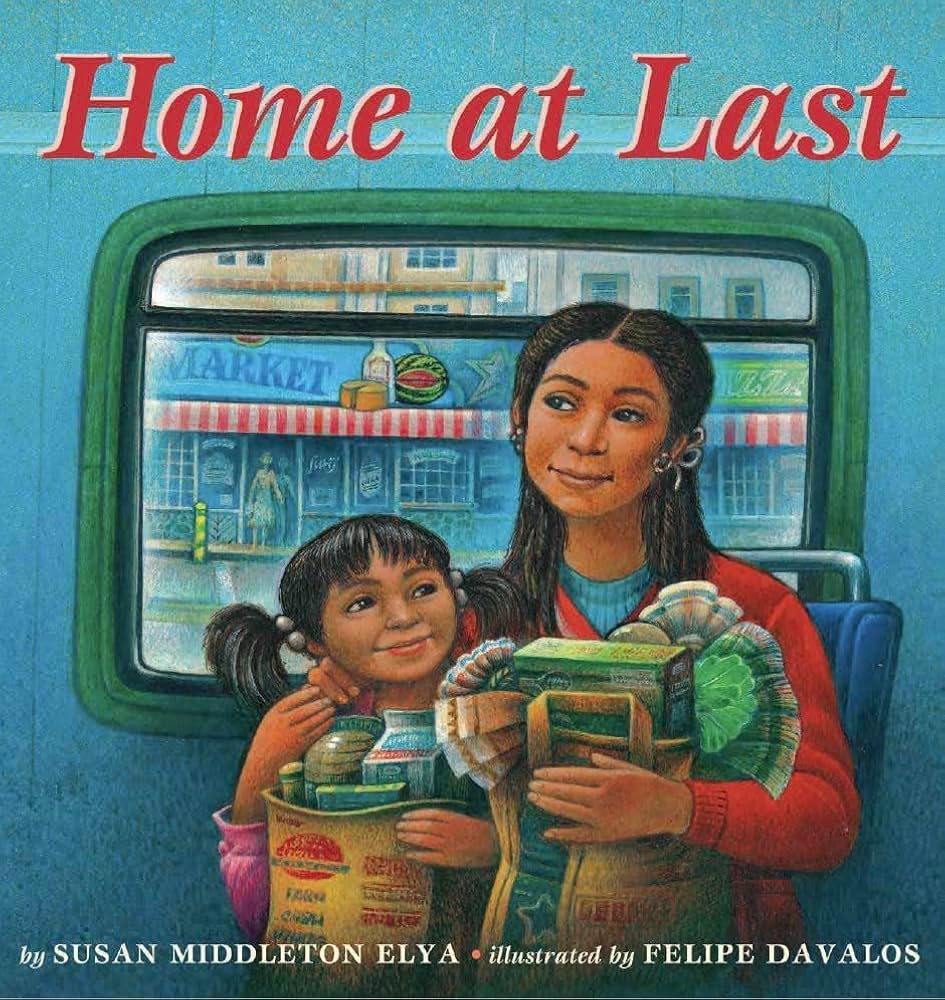
When Ana’s family moves to the United States, her mother misses being surrounded by family and the familiar. As Ana adjusts to their new surroundings, her mother struggles. Ana witnesses a shopkeeper mistreating her mother and the isolation that comes with not having a shared language. This book offers insights into a family’s emotional journey when moving to a new country with a new language. Understanding the complexity of the experiences of new immigrants is important for both children and adults.
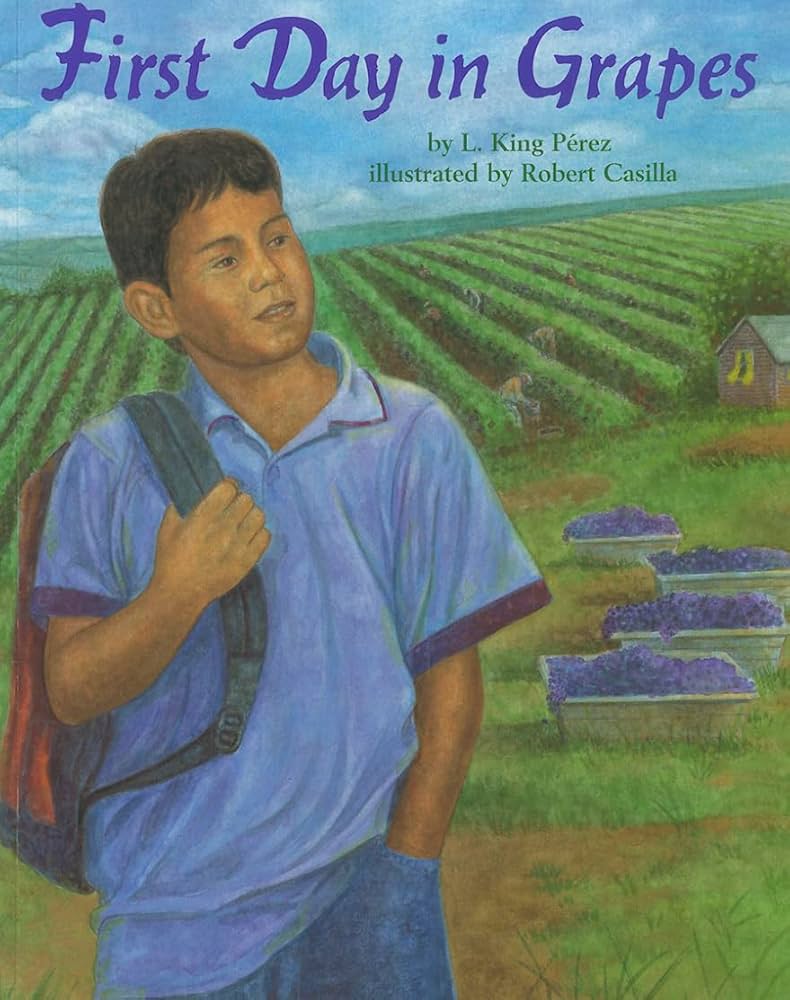
Chico and his family are migrant farm workers in California, so he is often the new kid in school. When Chico’s fourth-grade teacher recognizes his excellent math skills, he feels excited about his new class. Some of his classmates start picking on Chico, but he figures out a way to respond wisely. The teacher in this story encourages Chico, and this gives him the courage to reject mistreatment. Chico uses his problem-solving abilities and creativity to address the conflict and mistreatment he faces.
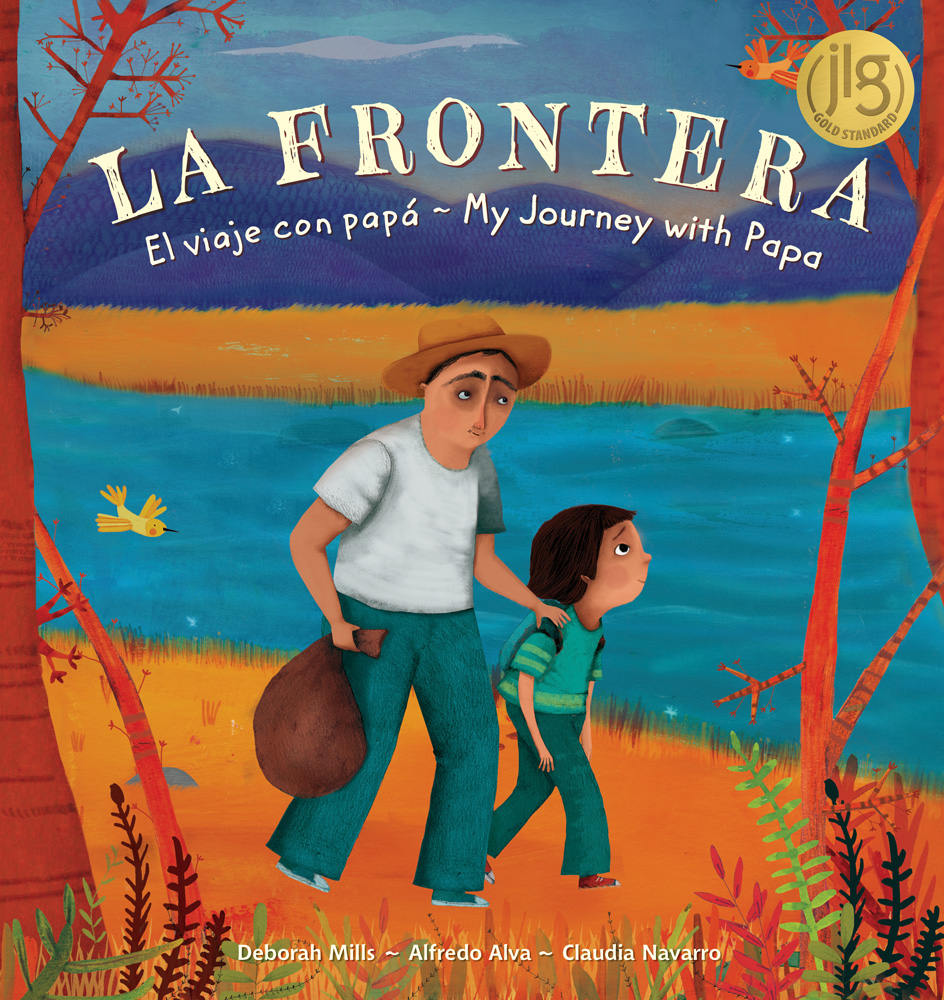
This book follows a boy named Alfredo and his Papa as they make a treacherous trip from Mexico to the United States. It is an immigration story that offers a new perspective on why some people choose to cross the border for the safety and security of their families and the challenges of being a new immigrant. While being cautious of reinforcing negative stereotypes about immigrants from Central and South America, this topic must be talked about with children of all ages because of the stigma, bias, and prejudice that immigrant children experience, regardless of status. This book is an important mirror for Latine children and their families who migrated across the U.S.-Mexican border for the dream of a better life to have their lived experiences affirmed and destigmatized.
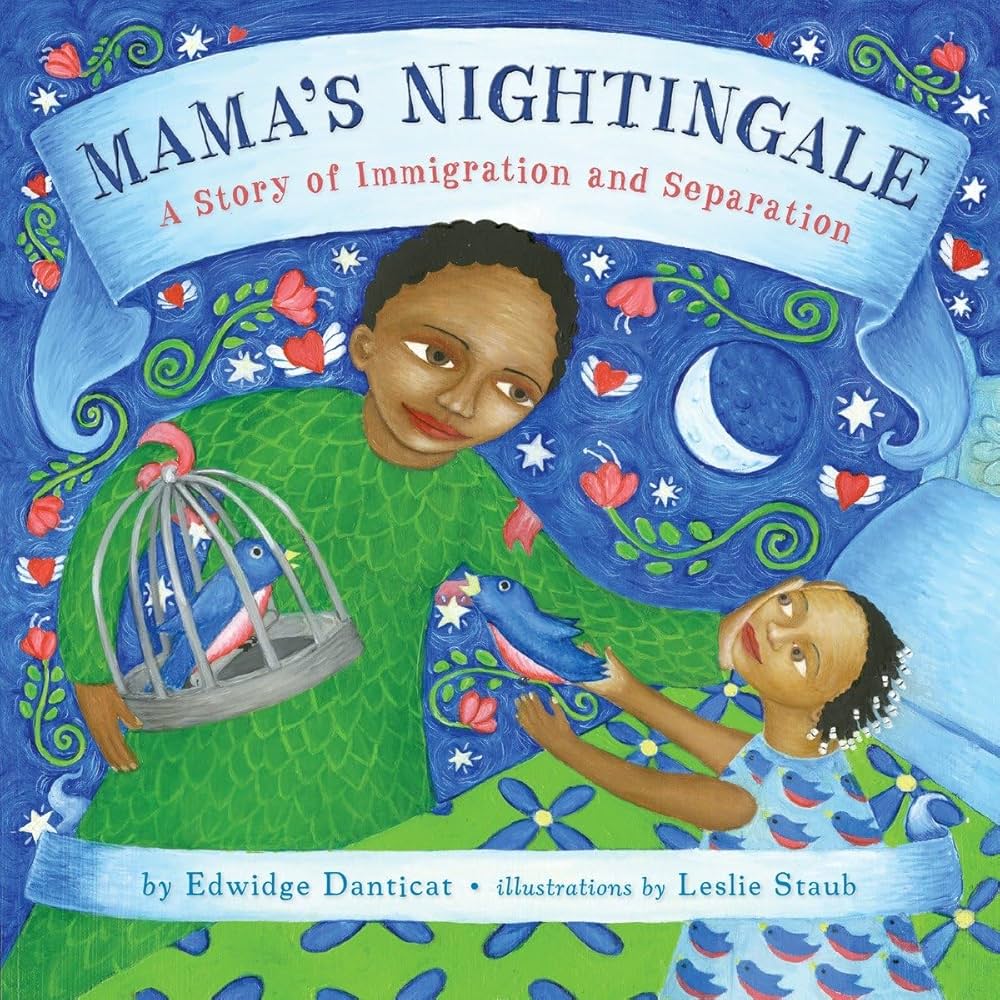
When Saya’s mother is sent to an immigration detention center, she sends her daughter bedtime stories to make their separation easier to endure. Inspired by her mother’s stories and her father’s attempts to reunite their family, Saya uses her own voice to help bring her mother home. For many immigrants or refugees, their lives are dominated by the unknown. Saya’s mother’s stories provide comfort during a difficult time. This encourages Saya to take action in an effort to help her family.
For more resources, including additional book recommendations, videos, and discussion/activity guides, see our Immigration/Migration Resources for Educators.