





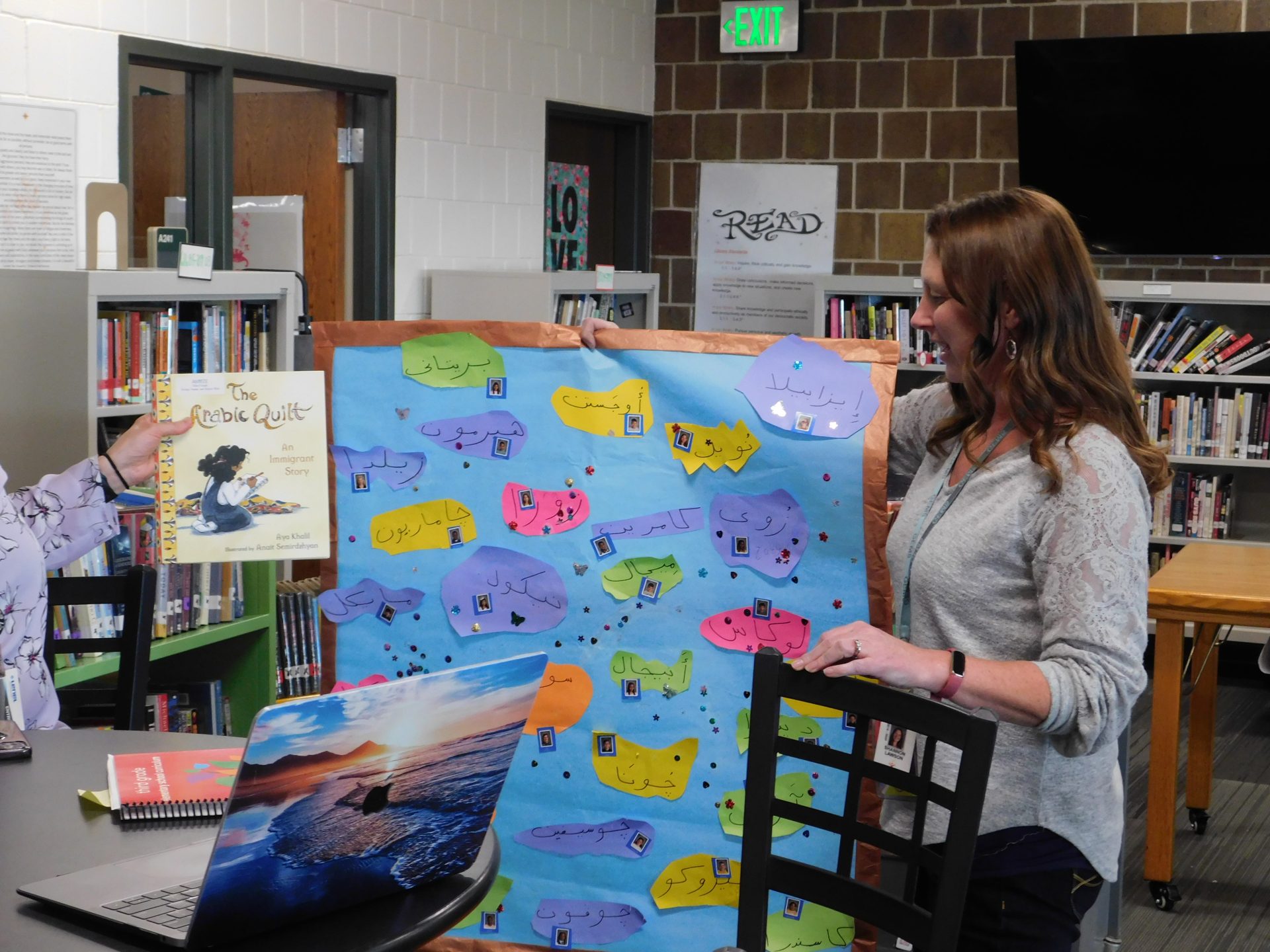
April is Arab American Heritage Month, and AmazeWorks has classroom lessons to guide conversations about Arab American identity and culture.
Of course, one resource alone cannot fully tell the story of the Arab American experience. These lessons serve as great starting places for discussion all year long, keeping belonging and identity-affirmation at the forefront.
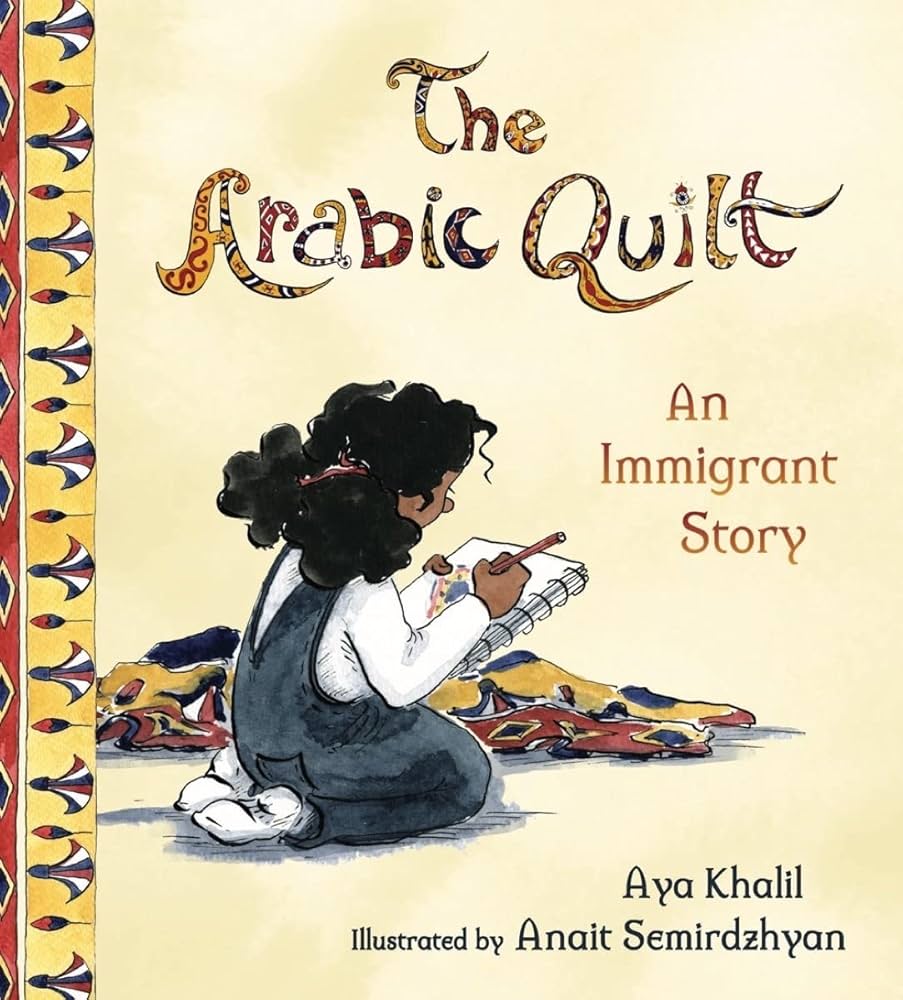
This book from our 3rd grade curriculum offers insights into the challenge of fitting in as a new immigrant. Many children can relate to the fear that comes with being new or being an outsider, and this story helps create empathy, understanding, and an opportunity for action to create community and belonging. The book provides a positive example of how to show respect for and support children’s home cultures and languages in order to dispel biases and stereotypes.
Inside the lesson:
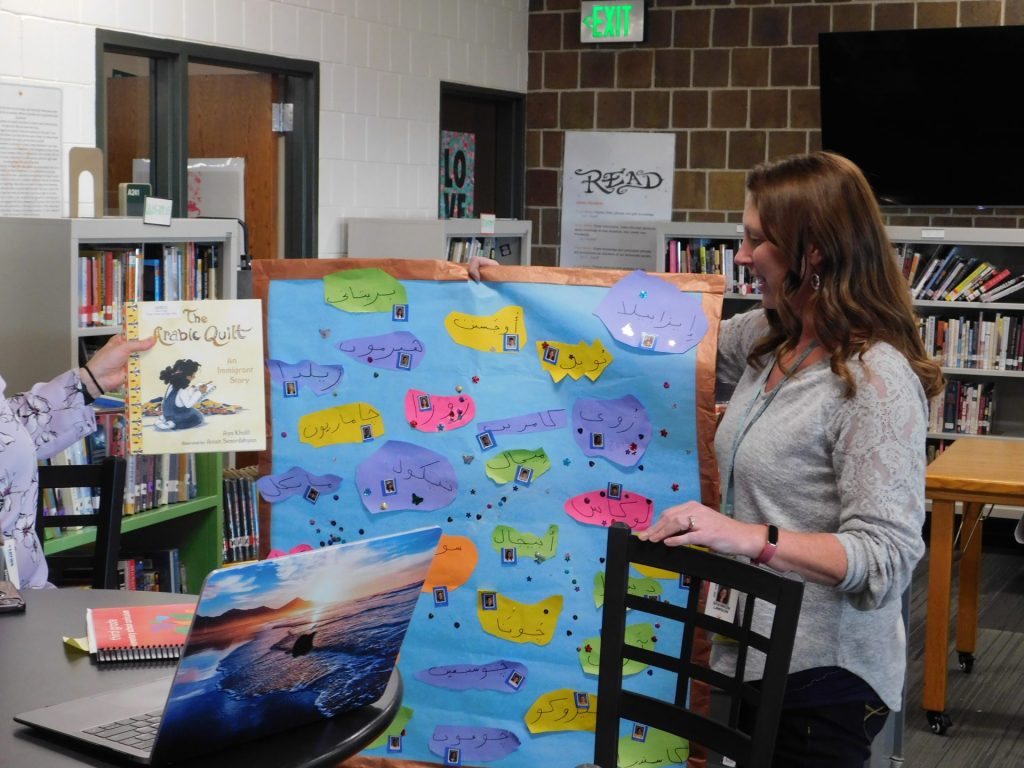
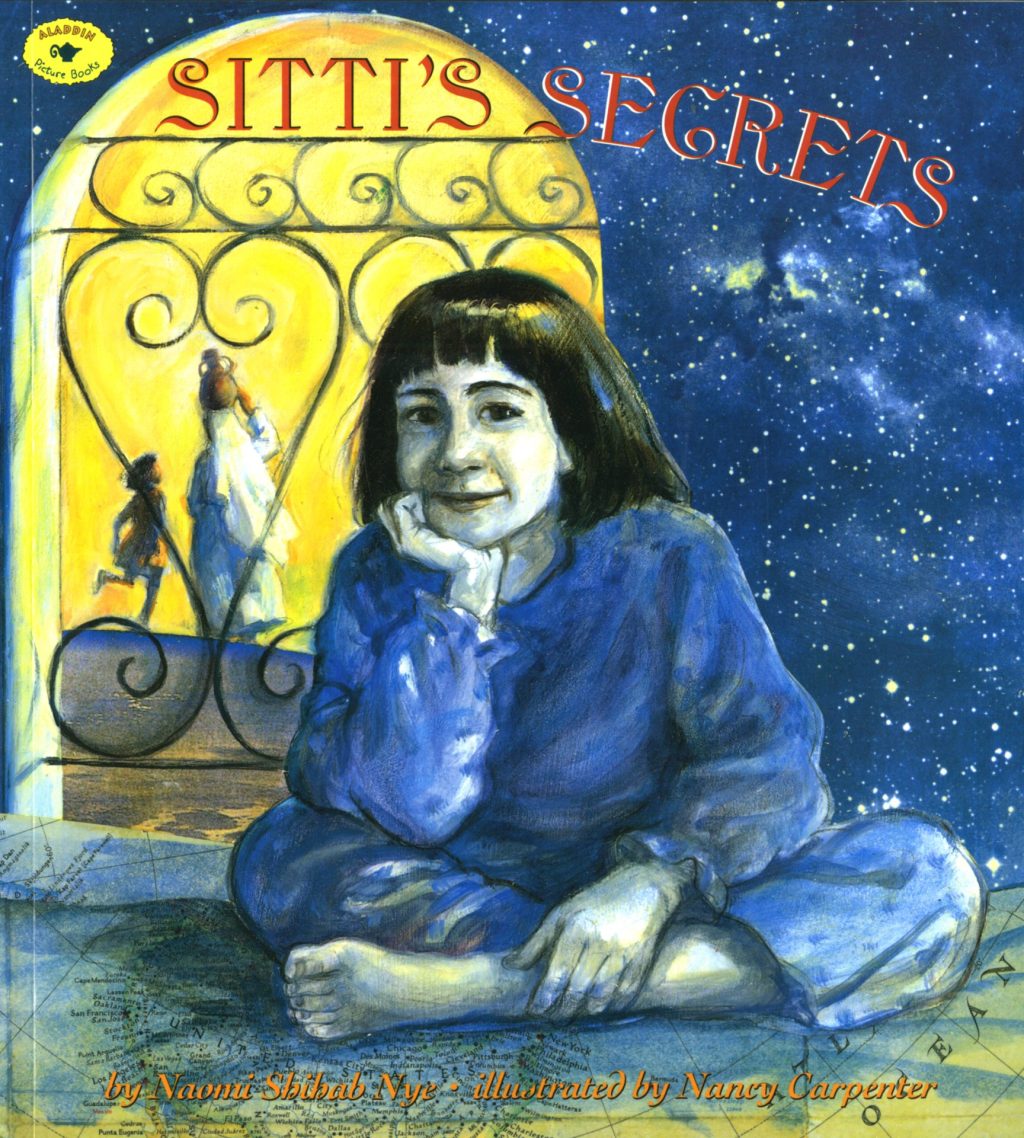
Having a connection with one’s cultural or ethnic heritage encourages the development of a strong sense of self. This book from our 5th grade curriculum provides an entrance into examining culture and traditions while highlighting the connections that are possible with people across the world and families separated by geography. Helping students understand the complexities of their own identity prepares them to understand the complexities of others with empathy and understanding.
Inside the lesson:

This video shared in our middle school curriculum features a diverse group of Arab Americans talking about their identity and experiences of being Arab in America. It is important to make the distinction for students that not all Arab Americans are Muslim and not all Muslims are of Arab descent. Arab Americans are Christians, Muslims, Jews, atheists, etc., just as Muslims can be of any race or ethnicity.
Inside the lesson: