




“Self-care is, fundamentally, about bringing balance back to a life that has grown imbalanced from too many commitments or responsibilities.”
~Robyn L Gobin
You’ve probably heard the phrase “work-life balance” enough times that it risks losing meaning. But in a year that’s demanded intensified physical and emotional energy from many of us, this conversation still matters.
Operation Metro Surge threw the Twin Cities out of balance, requiring priorities to be restructured to protect personal and community safety. During moments of crisis and community response, imbalance can be necessary and even meaningful. We stretch ourselves to meet urgent needs, often at the expense of rest, routine, and our own sense of stability. But eventually, our bodies and minds ask us to pay attention.
In this edition of The Belonging Brief, we invite you to take notice of the roles and responsibilities that have been out of alignment for too long. We’re not pretending that it’s up to us alone to find the right balance. Instead, this newsletter explores how individuals and workplaces can support one another in creating more sustainable ways of living and working. Keep reading to find:

Right now, work-life balance is often understood to mean “don’t work too much.” We want to offer a reframe that doesn’t center productivity alone. Work-life balance is maintaining meaningful connection to multiple parts of our humanity. Making time for the important parts of ourselves—from work to family to wellness—helps us show up better more fully in every area of our lives.
Balance is not about perfectly distributing our time, but about noticing when one role consumes us for too long. Sometimes life naturally falls out of alignment. A major project, caregiving responsibility, community crisis, or personal transition may require more of us for a season. The problem shows up when imbalance is chronic.
Restoration becomes more possible when we have supportive systems, relationships, and practices in place. Keep reading for tools and reflections that support a more sustainable way of living and working.
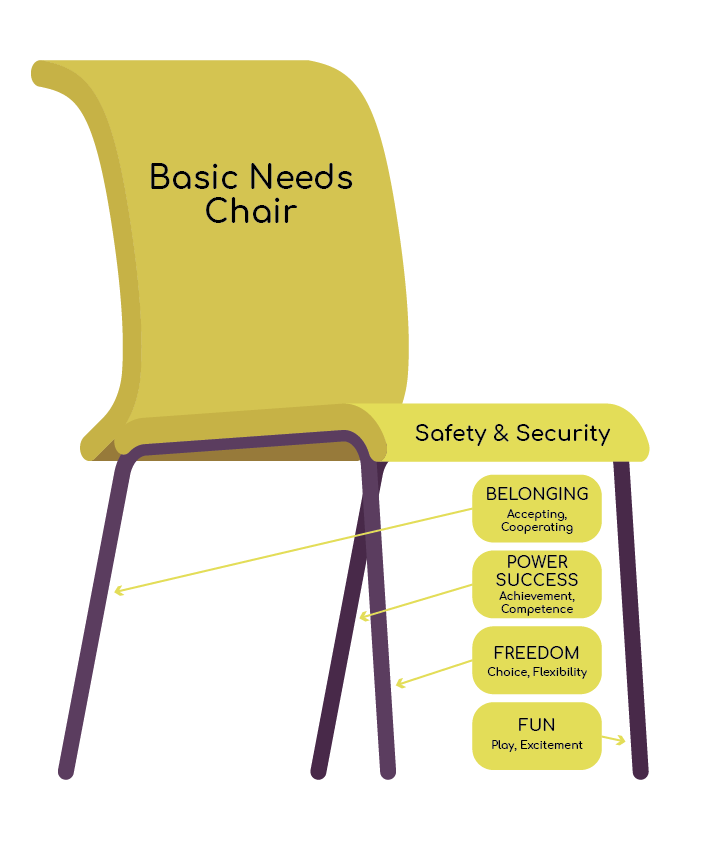
How can we respond to our own needs as individuals? Mental wellness is shaped by workplace culture, but it’s not our workplace’s job alone to manage it. Our “Basic Needs Chair” tool supports self-awareness and agency by helping you reflect on the foundations of wellbeing. Inspired by William Glasser’s framework, the chair includes a seat, symbolizing Safety & Survival, and four legs representing Belonging, Power, Freedom, and Fun.
Work-life imbalance often shows up first in the chair legs that receive the least support. Just like a chair needs sturdy legs to function, we need support across all of these needs to thrive. If one leg is too short or missing altogether, we may struggle with stress, focus, or engagement. When freedom disappears, we may feel trapped. When belonging weakens, isolation grows. When fun disappears entirely, burnout often follows.
Our legs can’t hold anything up if our seat of safety isn’t protected. During Operation Metro Surge, many of us lost the seat of our chairs. Hopefully, community stepped up to help you find stability again. You may need extra support in rebuilding the four chair legs. Wobbly legs don’t mean we’ve failed. They’re important signals of what we need to lift us off the ground.
Use the Basic Needs Chair to reflect:
There are many workplace policies that support work-life balance, and companies that invest in these know that they benefit both the individual and the workplace. Hershey is one example and was selected by Forbes as having one of the top parental leave benefits. Employees who receive these benefits often report feeling more supported and more prepared to return to work.
Take Laura Cooley for example. While working at Hershey, Laura had two children. By the time of her second pregnancy, Hershey had improved their paid family leave policy. Laura noticed the difference, feeling more confident and prepared re-entering the workplace. She also felt clearer about her future. Research backs up Laura’s experience, showing that paid family leave contributes to lower turnover, stronger retention, and improved employee wellbeing. While Laura’s experience centers motherhood, paid family leave benefits caregivers and parents of all kinds.
When organizations invest in people’s capacity to care for themselves and their families, employees are more likely to feel secure, committed, and able to contribute sustainably over time. Paid family leave is one of many workplace policies that support work-life balance, just as paid time off, mental health supports, and another example do. What are other workplace policies that simultaneously benefit employee wellness and productivity?

Again, it’s not up to an individual alone to create a sustainable work-life balance. Educators need our support to achieve equilibrium.
Educators are increasingly asked to carry impossible emotional, academic, and community responsibilities at once. Crises like Operation Metro Surge, the COVID-19 pandemic, and school shootings have only intensified the weight. AmazeWorks exists to support educators in balancing it all, ensuring they are not alone in meeting student needs for learning and healing.
From now until May 28, your donation connects educators with belonging-centered support, tools, and community.Click here to help us reach our $20,000 goal and help educators sustain the vital work they do every day. Thank you for using your dollars to find balance for our educators. 💕
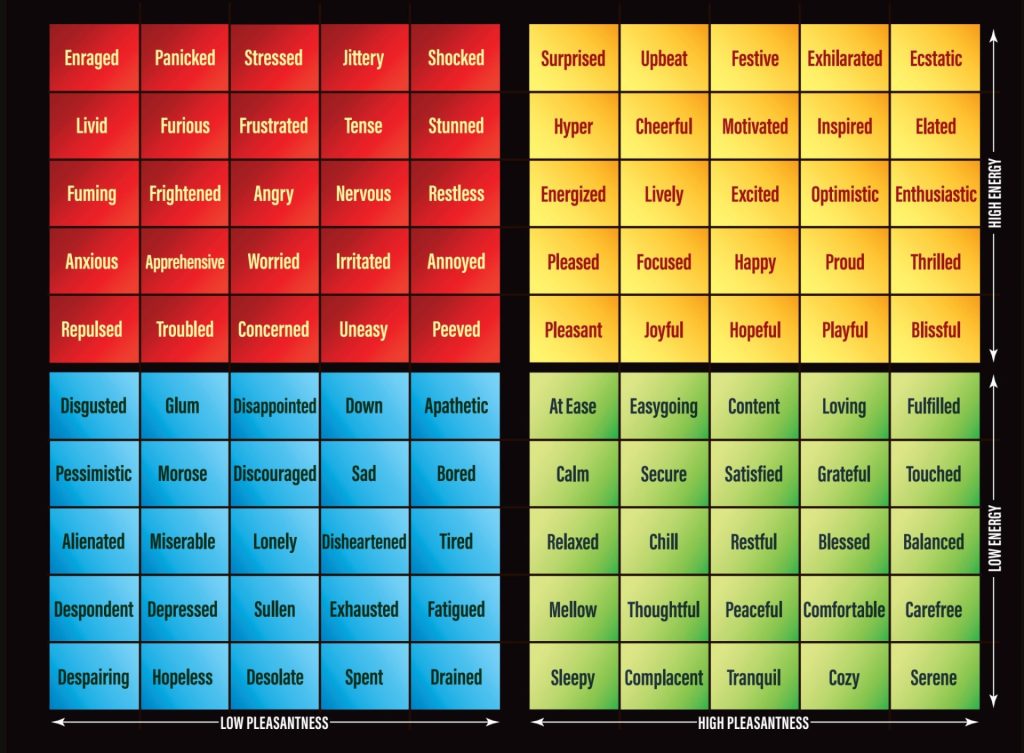
When stress accumulates over time, our nervous systems can begin operating in survival mode. These practices can help interrupt amygdala hijack and respond more intentionally:

Are you attending the MCN Leadership Conference? Make sure to attend Bridging Divides: Leadership Skills for Polarized Times, presented by Rebecca Slaby! In a time of deep polarization, effective leadership requires the courage and skill to engage across differences. Learn how to navigate difficult conversations that can strengthen relationships and advance belonging.