




“My comfort zone is like a little bubble around me, and I’ve pushed it in different directions and made it bigger and bigger until these objectives that seemed totally crazy eventually fall within the realm of the possible.”
~Alex Honnold
As humans, we do a lot to avoid discomfort. Unfortunately, that avoidance often comes at the expense of our relationships, performance, or personal growth. In our final Bringing Belonging to Work webinar, we explored strategies for challenging our instincts. Being Comfortable with Being Uncomfortable invites us to be brave enough to create meaningful change in ourselves and our organizations.
In this volume of The Belonging Brief, we share:

If you’ve attended an AmazeWorks workshop, you may recall the “Invitation to Brave Space” poem by Beth Strano and adapted by Micky ScottBey Jones. We share this poem to ground our learning, because true growth doesn’t happen in comfort. When we show up fully and authentically, even in discomfort, we create the conditions for the culture transformation we’re seeking.
The poem begins,
“Together we will create brave space
Because there is no such thing as a ‘safe space’
We exist in the real world
We all carry scars and we have all caused wounds.
In this space
We seek to turn down the volume of the outside world,
We amplify voices that fight to be heard elsewhere,
We call each other to more truth and love
We have the right to start somewhere and continue to grow…”
For further reflection:

When our brains perceive a threat, they push us into fight, flight, or freeze. The problem? We often confuse discomfort with danger. As a result, our brains activate survival mode in situations that aren’t actually unsafe, leading us to act on bias or defensiveness rather than curiosity and connection.
In the moment, we can interrupt this response by pausing, breathing, and grounding ourselves. Over time, we can strengthen this muscle by understanding what triggers our reactions in the first place.
David Rock’s SCARF acronym identifies five social needs that, when threatened, can send us into survival mode:
When any of these feel at risk, we’re more likely to respond in self-protective ways. It only takes a split second for our survival response to activate. Then, it takes us 10-20 minutes to get back to normal. By learning to recognize these triggers, we expand our capacity to choose thoughtful, values-aligned responses that strengthen relationships instead of straining them.
AmazeWorks partner Heraeus Medevio offers a powerful example of what it looks like to practice being comfortable with discomfort.
When Medevio began working with AmazeWorks in 2024, we partnered to support their Diversity, Equity, and Inclusion committee (DEI-LT) goals and projects. But when political pressure targeted those three letters, team members felt less aligned in their goals. Some folks felt an urgency for the DEI committee to act. Others thought it more strategic to avoid DEI language entirely.
Rather than allowing misalignment to stall progress, Medevio chose to lean in.
They committed to a three-part visioning series that brought together global leaders and both current and former DEI-LT members. These sessions required vulnerability, honesty, and a willingness to sit with discomfort. Through brave conversation, they realized their DEI efforts were already deeply aligned with their larger mission, culture, and values.
From there, AmazeWorks partnered with leadership to deliver brave space leadership modules, shifting company practices toward more intentional, inclusive, and respectful dialogue. Together, they developed shared conversation agreements and cultural commitments to ensure accountability and follow-through.
By embedding brave space into their leadership model, Medevio began to view discomfort as a necessary ingredient for innovation, trust, and growth.
Congratulations to Heraeus Medevio for navigating disagreements with grace and bringing belonging to life!
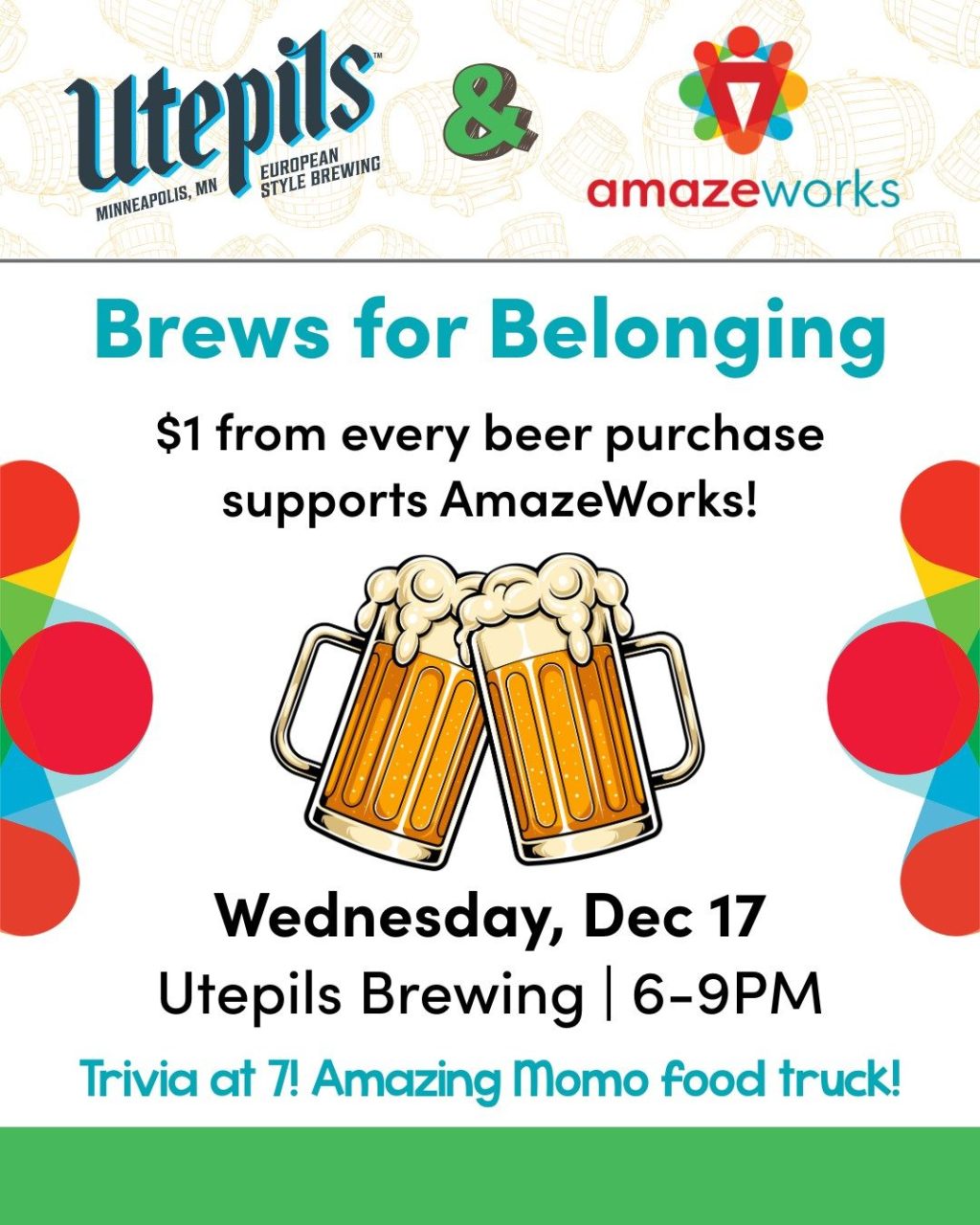
*|FNAME|*, please join us for an exciting event! Utepils Brewing is hosting a donation event for AmazeWorks next Wednesday, 12/17, from 6-9pm. $1 from every beer purchase will support AmazeWorks, bringing belonging to life in schools and workplaces across Minnesota and the US.
Plus, they’ll have trivia from 7-9 and an Amazing Momo food truck from 4-8. You don’t want to miss it! Mark your calendars now for Brews for Belonging on December 17. 🍻
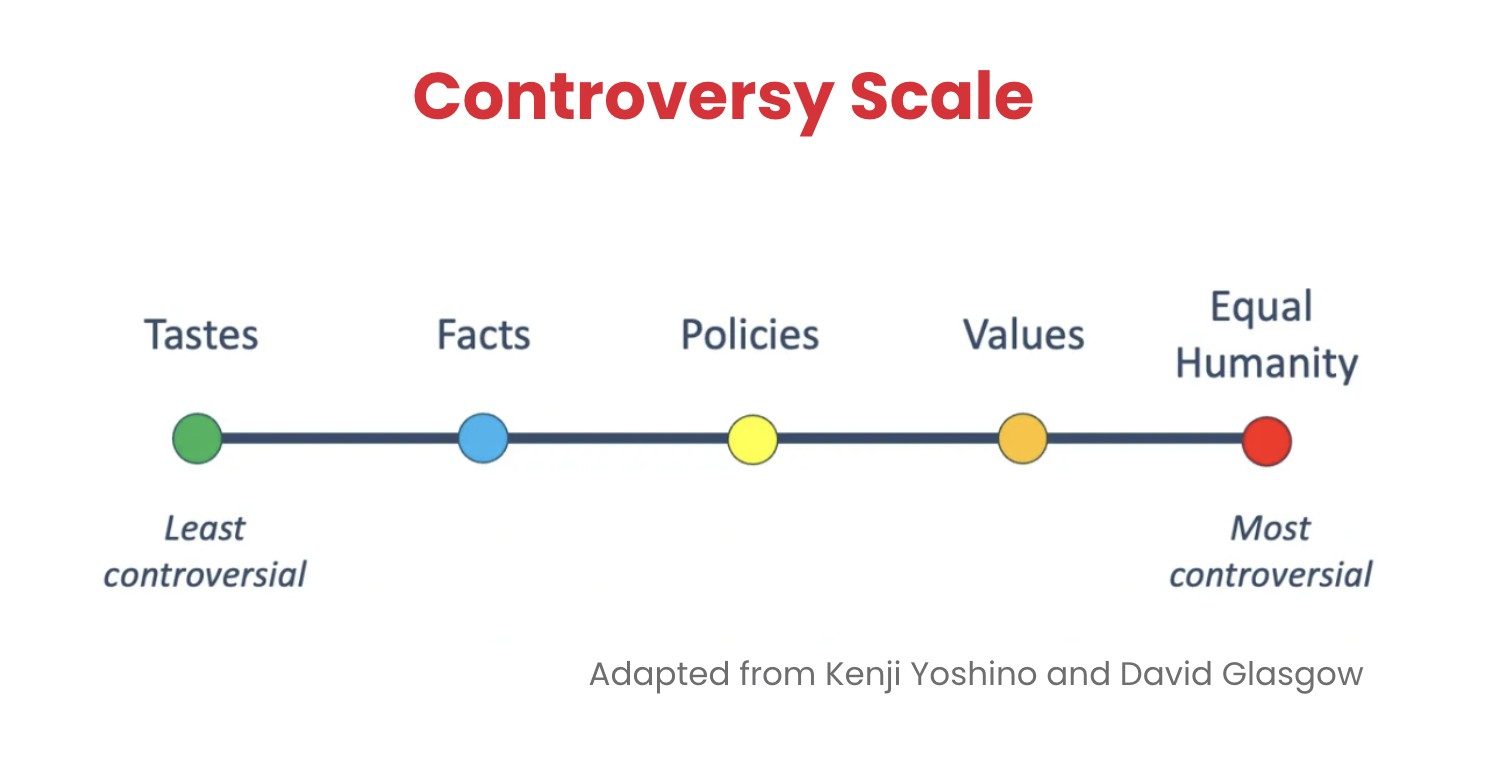
“Not all disagreements are created equal.”In Kenji Yoshino’s TED Talk, he introduces The Controversy Scale, a framework that ranks topics from easiest to discuss (such as personal taste or simple facts) to most emotionally and ethically charged (such as values, identity, and humanity).
While people may be engaging in the same conversation, they are often standing on very different points on the scale. Yoshino uses same-sex marriage as an example: for some, it is a policy debate. For others, it directly impacts their identity, dignity, or safety.
The Controversy Scale helps us name this reality and respond with greater care and awareness. It invites us to move forward in dialogue without minimizing others’ lived experiences or compromising our own truth.
When we understand the weight a topic carries for another person, we can approach discomfort as an opportunity for deeper connection and learning instead of as a threat.