





“The most common way people give up power is by thinking they don’t have any.”
~Alice Walker
The world’s eyes are on the Twin Cities as ICE terrorizes our communities. We are all witnesses to the countless injustices ICE has inflicted on our home: death and violence against our community members, racial profiling, deportation, detainment, chemical attacks, and on and on.
We’re outraged. We’re exhausted. We’re grieving. Families shelter in place. Businesses close their doors. Schools sit half-empty.
Still, our community demonstrates its power – through school patrols, grocery deliveries, hybrid learning, mutual aid, protests, vigils, and more efforts to keep our communities safe. These are the times we test our resilience. These are the times we see evidence of our belonging work. These are the times of transformation. We commend you and thank you for exhibiting a bravery you should never have to channel.
To our immigrant and Black and Brown friends and neighbors, AmazeWorks stands with you. We continue to embrace storytelling as a catalyst for change, recognizing its transformative power to highlight and affirm humanity across identities.
To continue to mobilize our educator and community efforts, we share the following in this newsletter:
We send you love, care, and support as we continue to navigate ICE presence in Minnesota and across the US. We will be healing from this for a long time.
In grief and with hope,
The AmazeWorks team
Bring belonging to life!
I am an immigrant. Most people who meet me for the first time probably automatically assume I am an immigrant. However, as a Korean adoptee who was born in Seoul, South Korea and came to the US when I was five months old, it has taken me a long time to understand and claim being an immigrant as an identity. I grew up without any Korean cultural or linguistic influences in my White family and have no meaningful connections to any Korean immigrant community in Minnesota or elsewhere, though I have tried at various times in my life to learn Korean and get involved with Korean cultural activities like drumming. I have always felt like an outsider in Korean (and Asian) American spaces in part because I lack shared experience with other Koreans (and Asians) about growing up with a familial or community story of recent or generational immigration.
And yet, I am an immigrant. Millions of us were born in another country and are currently living in the United States. We identify as documented or undocumented immigrants, refugees, asylum seekers, migrants, New Americans/newcomers, Dreamers/DACA recipients, foreign-born workers and students, Green Card holders, naturalized citizens, international/transracial adoptees. We speak English fluently, with an accent, or not at all. We came here looking for better opportunities or to escape horrific situations in our home countries, or both. We assimilate fully into dominant mainstream America, or we can’t, or we don’t.
Do you see us? Do we belong here?
There are even more millions of us second and third generation immigrants who grew up watching our parents and grandparents struggle to find opportunity and belonging in America while also navigating the in-between-ness of being bi/multilingual and bi/multicultural. And of course, needless to say, unless we are 100% Indigenous/Native American, we have an immigration story in our family history.
Open and honest conversations with children about current events, immigration, and ICE presence matter. Children see and hear what’s happening around them, and they can sense the stress and anxiety of adults. Picture books are valuable resources to foster reflection, understanding, and empathy.

There are so many ways to use our unique voices and we all deserve to be heard. Each of us, including those who communicate differently from us, deserves a platform and an opportunity to share their stories, ideas, and perspectives. Through art, poetry, activism, sharing recipes, and many more ways, our voices are powerful and meant to be shared.
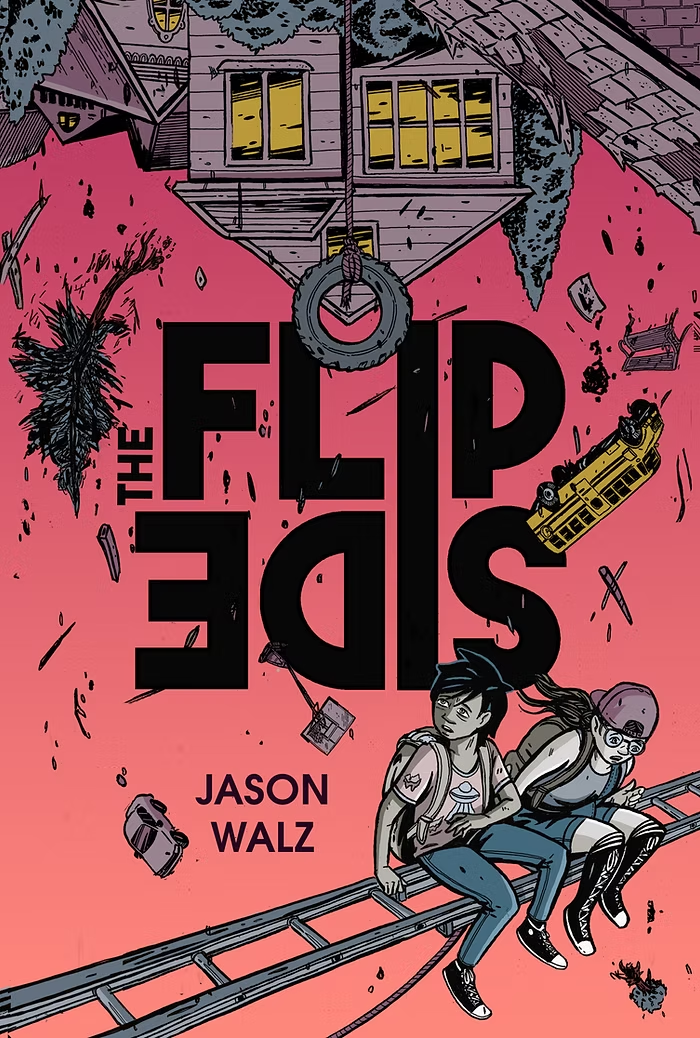
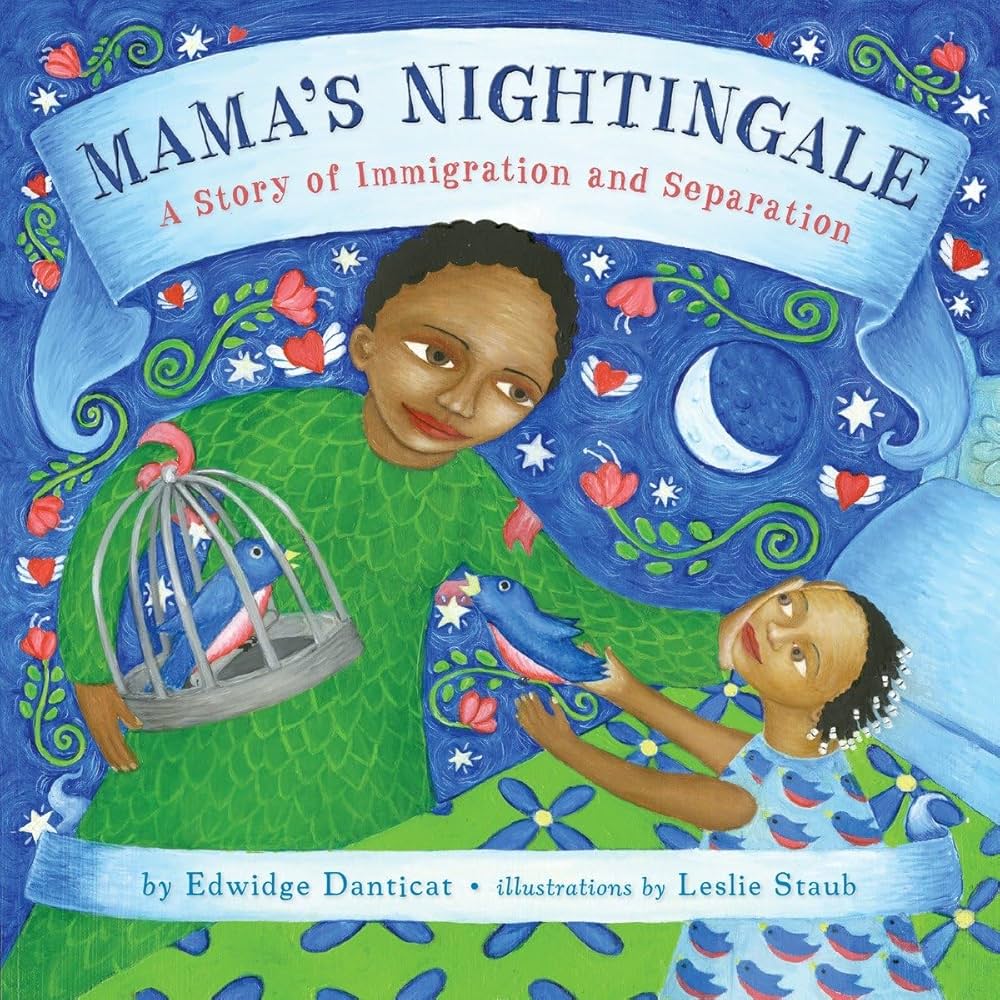
When Saya’s mother is sent to an immigration detention center, she sends her daughter bedtime stories to make their separation easier to endure. Inspired by her mother’s stories and her father’s attempts to reunite their family, Saya uses her own voice to help bring her mother home.
Follow us on Instagram for more book suggestions. ❤️
As we hear language like “illegal” and “undocumented” used to describe our neighbors, consider: how much do you actually know about the path to citizenship? In this lesson, students watch a video about Ana Gabriela Velasquez, who shares why her family came to the U.S. when she was a child and why she wanted to become a U.S. citizen.
Teacher Reflection Questions:
Student Activity (3-2-1): Give students time to explore the U.S. Citizenship and Immigration Services webpage on Naturalization Ceremonies. Ask students to identify three new things they learn, two things they found surprising or think their peers will find surprising, and one question they still have about the process. Take time to help students find answers to their questions. To take the conversation further, you could ask the following discussion questions:
Navigating Conversations with Children about Immigration, Family Separation, and ICE presence
When the world feels overwhelming, and our sense of power or control is compromised, it can be harder to find our agency. In this handout, AmazeWorks and Elevate Teaching help you tap in.
Agency is having the belief and confidence that you have the power to make positive change. A sense of agency is important to have when we see unfairness, because it helps us stay hopeful that we can help make things better. When we feel agency, we are more creative, and we work better with others as a team. When the world feels unfair, and it feels like there’s nothing we can do to help, it can be harder to find our agency. Sometimes, it takes practice to find our agency again.
Mindful Reflection Activity for Agency:
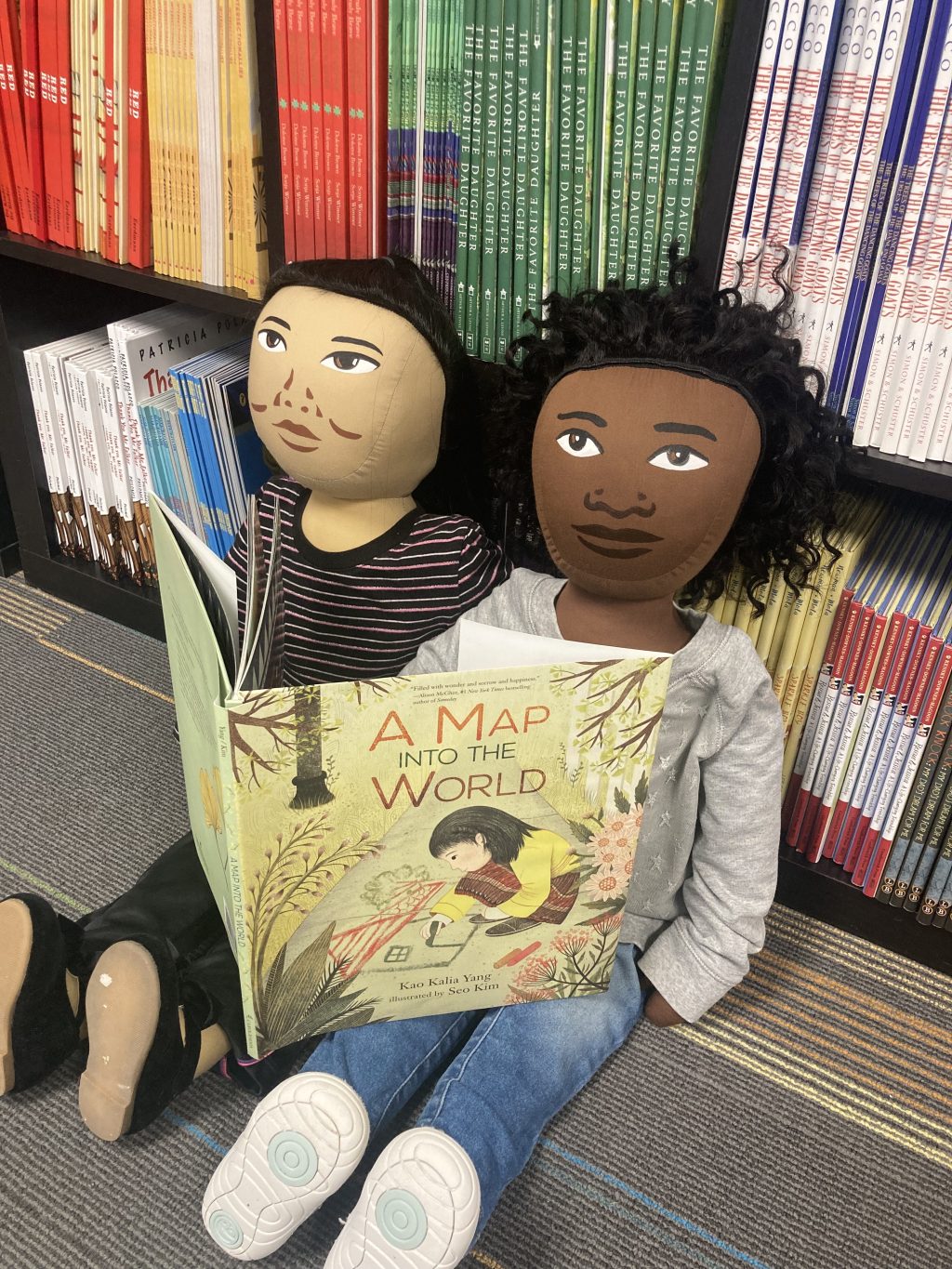
NEW RESOURCE: AmazeWorks has three new persona doll stories to help talk to young children about: Sheltering in Place, When the News is Scary, and Detainment/Deportation. These stories help kids process difficult information and emotions through the comfort of a friend.
Don’t have a persona doll? Try these stories with a stuffed animal or doll at home. ❤️